If you hear scratching and chirping overhead during early spring or late summer, there is a strong chance a mother squirrel has chosen your attic as a den site. Understanding exactly when squirrels have babies in Ontario and how their breeding seasons intersect with humane eviction protocols is essential for protecting both your property and the squirrel’s safety.
Key Takeaways
- Squirrels have two breeding seasons each year in Ontario. The eastern grey squirrel and the red squirrel both produce litters in spring and often again in summer, meaning baby squirrels can be present in structures from February through October.
- Any squirrel inside an attic, roof, or shed during this window should be assumed to be a mother with dependent young. Humane squirrel removal focuses on keeping the family together using baby-reunion boxes and gentle deterrents so the mother can relocate her young squirrels naturally.
- Improper DIY removal – sealing holes, setting a live trap, or installing a one way door at the wrong time – can orphan babies, cause severe odours and biohazard contamination, and may violate Ontario wildlife law.
- Removing baby squirrels without their mother is inhumane, and humane removal prevents baby squirrels from dying in attics.
- When in doubt, contact a
professional wildlife removal companylike Wildlife Removal Brampton that follows species-specific, baby-safe protocols for inspection, eviction, exclusion, and sanitation.
When Do Squirrels Have Babies in Ontario?
Squirrels typically have two litters per year, and these two breeding seasons drive the vast majority of squirrel infestation complaints in Ontario homes. Recognizing the timing helps homeowners plan any eviction strategy around the presence of vulnerable babies.
Eastern Grey Squirrel: The first breeding season occurs in February to March, with the first litter typically born from mid-March to early April. The second breeding season occurs during June through August, producing a second litter usually born from June to August – often peaking in August or September. Squirrel gestation lasts about 44 days. Young squirrels can have their first litter around one year of age, which contributes to growing urban populations.
Red Squirrel: The main mating season falls in late winter to early spring (February–March), with most babies arriving in April–May. A second, smaller litter sometimes follows in summer, though this is less consistent than with grey squirrels. Red squirrel gestation is slightly shorter, around 38–39 days.
From February through October, any squirrel entering a structure should be treated as a likely nursing mother, so eviction plans must account for the presence of squirrel babies.
What Baby Squirrels Are Like (And Why They Stay Hidden)
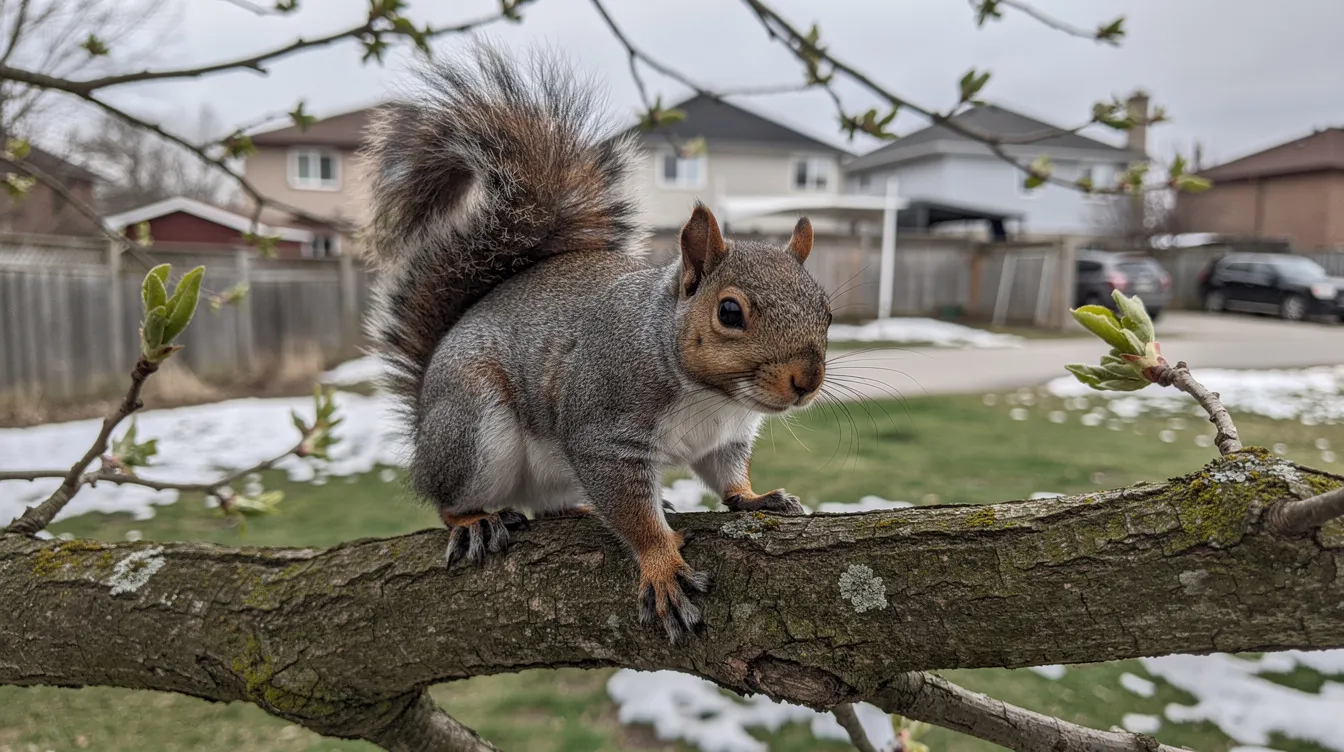
Homeowners almost never see newborn squirrels directly during a squirrel infestation because the nest is buried deep in insulation or wall cavities. Kits are born blind, naked, and deaf and require maternal care for survival. Eyes open around three to four weeks; fur develops by week four to six.
Female squirrels typically have 2 to 5 kits per litter, and a typical squirrel litter contains two to four pups. Baby squirrels are dependent on their mother for at least six weeks, with weaning beginning around seven to ten weeks for the eastern grey squirrel and full independence often not reached until roughly three months of age. Litters remain in the nest or attic den for approximately 8–12 weeks before juvenile squirrels begin venturing out.
Common signs of hidden babies include soft, high-pitched chirps and squeaks, rapid scratching, or thumping concentrated in one area of the attic. Because the nest is deeply concealed, removing adult squirrels without checking for babies almost always strands a litter indoors.
Where Mother Squirrels Nest in and Around Homes
Attics, soffits, and sheds in Ontario are attractive as a den site during breeding seasons because they offer warmth, dryness, and shelter from predators like raccoons, birds of prey, and outdoor pets. Squirrels need a gap of about 1.5 to 2 inches to enter buildings – a surprisingly small opening.
Common structural vulnerabilities include:
- Gaps around roof vents and uncapped chimneys
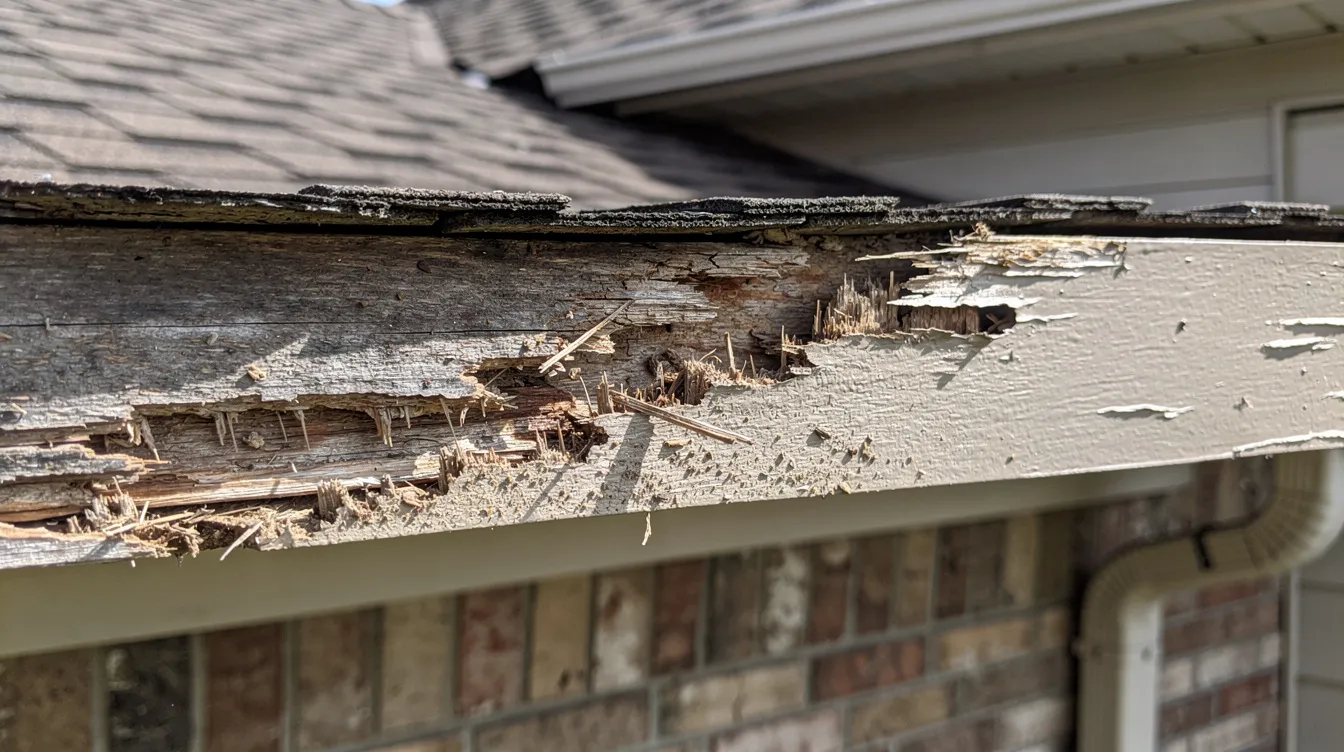
- Rotted fascia boards and loose soffit panels
- Openings around wires, plumbing, and the roof-tree junction
- Damaged flashing and unprotected gable vents
Indoors, typical nesting spots are attic corners, behind kneewalls, under insulation near roof edges, and occasionally inside wall cavities or chimneys. Outdoors, squirrels build dreys – nests of twigs, leaves, and moss – in trees, and urban squirrels often maintain multiple backup nests to move babies if disturbed. Homeowners should assume there may be more than one den site nearby, which influences humane eviction planning and long-term squirrel removal success.
How to Tell if You Have a Squirrel Infestation with Babies
Identifying breeding activity early helps you avoid serious structural damage and biohazards in the home.
- Time-of-year clues: Noises starting or increasing in March–April and again in August–September often indicate a mother with a new litter.
- Sound clues: Daytime scampering during daylight hours, rolling or gnawing noises, plus localized chirping from one area suggest baby squirrels in a nest.
- Visual clues: Frequent entry and exit through the same hole in the roof, a female staying inside longer than normal, or a squirrel carrying nesting materials or a baby in her mouth.
- Damage indicators: Gnawed wood or wiring, droppings on insulation, strong urine odours, and visible damage near vents, soffits, and eaves all point to squirrels living in your structure.
Why DIY Baby Squirrel Removal Is Risky
While it may be tempting to block holes or set a trap, DIY efforts during baby season routinely create worse problems than the original squirrel infestation. You should avoid evicting squirrels during their nesting seasons to prevent trapping helpless babies inside your walls or attic.
Sealing entry points or installing a one way door between February and October can leave a trapped squirrel – specifically immobile babies – trapped inside with no access to their mother. The result is starvation, decomposition, and frantic structural damage as the mother tries to re-enter. Dead wild animals in walls or attics produce powerful odours, attract insect infestations, cause staining, and contaminate the space with droppings and urine.
Ontario regulations limit relocation distance: under Ontario law, live captured wildlife must be released within one kilometer of capture. Causing undue suffering to wildlife is considered inhumane and potentially unlawful.
Avoid approaching or attempting to hand-raise orphaned squirrel babies. Do not feed squirrels formula or fluids without guidance from a licensed wildlife rehabilitator – improper handling and nutrition severely reduce survival chances and may violate local wildlife rules.
Humane Squirrel Eviction: Step-by-Step Overview
Squirrels can be humanely evicted using exclusion techniques, but timing and method are everything. Here is a high-level walkthrough:
- Confirm species and season. Note the date, sounds, and visible activity. Assume babies are present any time from February to October.
- Locate the main entry point. Inspect the roofline, soffits, vents, and chimneys for chewed or loose areas. Identify all potential entry points without climbing dangerously or disturbing the nest.
- Avoid live-trapping and long-distance relocation. A live trap often separates mothers from babies, and relocating wildlife more than one kilometre is illegal in Ontario.
- Choose the right humane method. Use patient waiting or gentle humane harassment for mobile families. For immobile babies, arrange professional baby-reunion setups.
- Repair and decontaminate. After eviction, permanently seal all entry points with sheet metal flashing or ¼-inch galvanized hardware cloth. Clean and decontaminate the attic to remove odours and biohazards.
Gentle DIY Deterrents (When Babies Are Old Enough to Move)
These methods are only appropriate when you are confident any baby squirrels are fully mobile and following the mother in and out – typically after 10–12 weeks of age.
The concept is humane harassment: making the den less attractive without harming the animal, encouraging the mother squirrel to relocate her family to a backup nest outside.
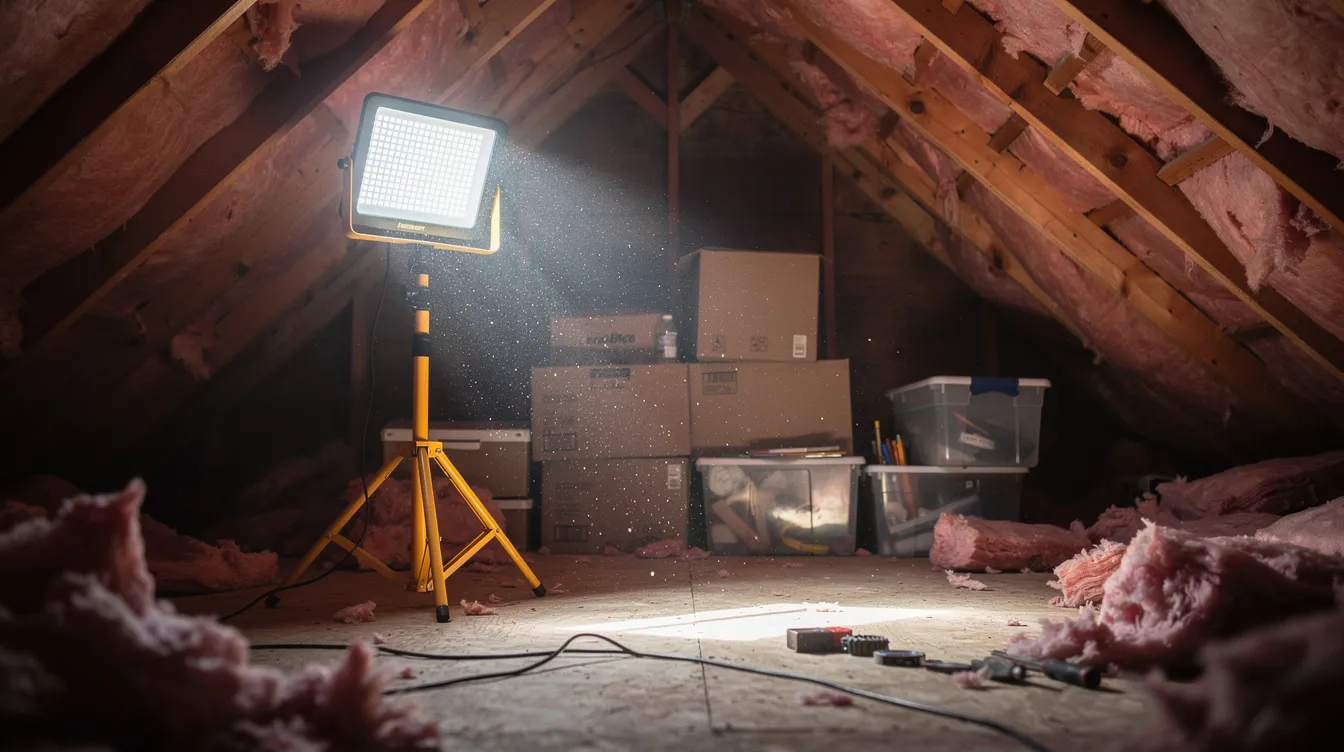
- Light: Place a bright light (a safe LED work light) near the den area inside the attic, running day and night for at least three days. Avoid fire hazards with heat-producing bulbs.
- Sound: Position a radio tuned to a talk station near the access point. Human voices are more disturbing than music for squirrels.
- Smell: Hang rags in perforated bags soaked in apple cider vinegar or ammonia near the den entrance. Bagged used kitty litter also creates predator-like odours. Peppermint oil can be used as a natural deterrent against squirrels as well.
The paper test: After several days of deterrents, loosely block the suspected entry hole with newspaper, then check after 72 hours. Undisturbed paper plus silence strongly suggests the squirrels have left. Patience and persistence over a few hours or days is essential before sealing permanently.
How Professionals Humanely Remove Squirrels and Baby Squirrels
Trained wildlife and pest control technicians use structured, humane protocols designed specifically for situations where a mother squirrel has babies in an attic or wall. Humane removal prevents baby squirrels from dying in attics by keeping families intact throughout the process.
A typical professional inspection involves thorough exterior and attic assessment, identification of species, locating all entry points and secondary openings, and confirming the presence and age of baby squirrels. When babies are mobile, a one way door is installed on the final unsealed opening – but only after technicians verify no immobile babies remain inside.
The baby-reunion procedure involves gently removing baby squirrels from the nest, placing them in a heated, weather-protected reunion box near the entry point outside, and allowing the mother to retrieve and move them to a new den. Reputable companies never kill or abandon squirrel babies; they monitor the reunion box and return if the mother fails to retrieve all babies within a set timeframe.
Professionals also advise on long-term prevention: sealing vulnerabilities, trimming trees off rooflines, installing chimney caps, and discouraging homeowners from placing food sources that attract other squirrels, rodents, or raccoons near the house.
Sanitation, Damage Repair, and Long-Term Prevention
Eviction is only half the job. Droppings, urine, and nesting materials left behind create health risks and odour problems if not properly addressed.
Common damage from a squirrel infestation includes:
| Damage Type | Risk |
|---|---|
| Chewed electrical wiring | Fire hazard |
| Shredded insulation | Lost R-value, energy costs |
| Gnawed rafters/wood | Structural damage |
| Urine-stained drywall | Odour, ceiling stains |
Post-removal sanitation involves safe removal of contaminated insulation and nesting materials, disinfection of soiled surfaces, and deodorizing to eliminate scents that attract new wildlife.
Key exclusion measures: Repair soffits and fascia with chew-resistant materials, screen roof vents and chimneys with ¼-inch galvanized mesh, and seal gaps around pipes and cables. In the yard, trim overhanging branches, remove easily accessible food sources like nuts and seeds from feeders, use squirrel-resistant bird feeders, and stop deliberately placing food for squirrels near the home to help prevent squirrels from returning.
What to Do if You Find a Baby Squirrel on the Ground
Many seemingly orphaned baby squirrels are actually healthy squirrels whose mother is nearby. The first goal is to reunite them – not to rescue immediately.
Place the baby in a shallow, ventilated box lined with soft, ravel-free cloth at the base of the nearest tree. Keep hairless or eyes-closed babies warm using a covered hot-water bottle placed under half the box so babies can stay warm without overheating. If the baby has closed eyes, the mother should retrieve it within one to two hours during daylight hours. Furred, eyes-open babies may take several hours, but never leave them out overnight in cold, fall rain, or winter conditions.
Do not feed squirrels or give fluids unless directed by a licensed wildlife rehabilitator – aspiration and digestive problems from incorrect formulas are common. Contact a local wildlife rehabilitator or wildlife centre if the mother does not return, or if the baby is injured, cold, or covered in insects.
When to Call a Professional for Squirrel Removal
Humane, effective squirrel removal is complex during breeding seasons, and professional help often saves time, money, and animal lives. Calling a wildlife removal company is strongly recommended when:
- Noises persist despite deterrents
- You confirm baby squirrels are present in walls or the attic
- Visible structural damage is present near the roof or soffits
- Strong odours suggest a dead animal inside the structure
- A squirrel inside your home territory cannot be safely guided out
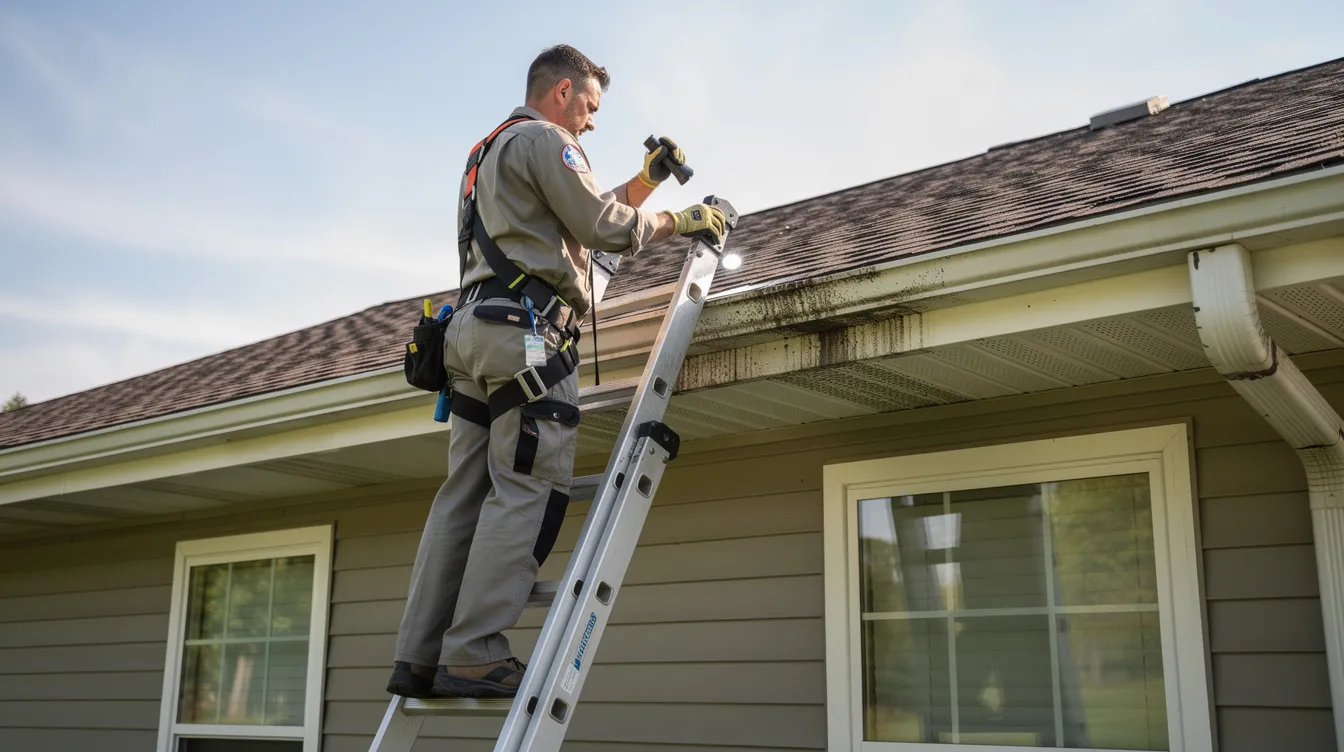
Professionals carry safety gear, species-specific knowledge, and proper equipment including insulated ladders, one-way doors, and heated baby-reunion boxes. When choosing a company, ask about humane practices, reunion methods, approach to removing baby squirrels, exclusion and repair plans, and cleanup procedures. A full-service humane provider should offer inspection, eviction, exclusion, and sanitation as a complete solution – not simply trapping and relocating adult squirrels, which does nothing to rid your home of dependent young and fails to protect against future intrusions.
FAQ
How long do baby squirrels stay with their mother in Ontario?
Baby squirrels usually remain in the nest for about 8–10 weeks and often stay close to their mother, learning to forage for food like nuts and seeds, until roughly three to four months of age. This means attics used for a spring litter may still be active well into early summer or early fall, and late summer litters may keep squirrels living in your attic into late autumn.
Is it ever safe to use a one-way door for squirrel removal during baby season?
One-way doors are safest from roughly November to January, when dependent babies are least likely to be present. During February through October, a one way door should only be installed by a professional who has fully inspected the attic and confirmed there are no immobile baby squirrels trapped inside. Premature installation risks orphaning a litter and causing the mother to inflict significant structural damage attempting re-entry.
Can I just wait until the babies leave, then seal the hole myself?
In some cases – especially late in the season during fall – patient waiting can work, but it requires careful monitoring and a paper test to confirm all squirrels are gone. Even after the animals vacate, professional inspection is recommended to address chewed wiring, damaged insulation, and contaminated areas before you permanently seal entry points and protect your home territory.
Will feeding squirrels away from my house stop them from nesting in my attic?
Feeding squirrels generally increases local squirrel numbers and activity, which can actually raise the risk of a squirrel infestation in your roof or attic. Instead, focus on securing garbage, using squirrel-resistant bird feeders, and hardening your home’s exterior to prevent entry – this is far more effective at keeping the species out of your home than trying to redirect them with food in the yard.
Are squirrels dangerous to people or pets inside the home?
Healthy squirrels rarely attack, but a cornered mother squirrel can bite or scratch in self-defence, and any wild animal can carry parasites like fleas and ticks. Avoid approaching a trapped squirrel directly. The main risks to homeowners are property damage and contamination of the attic environment, which is why professional, humane wildlife removal and proper cleanup remain the safest approach to protect your household and the squirrel’s safety. Keep pets away from active den areas to survive the situation without injury to either side.

Squirrel Removal, Bird Removal, Raccoon Removal,