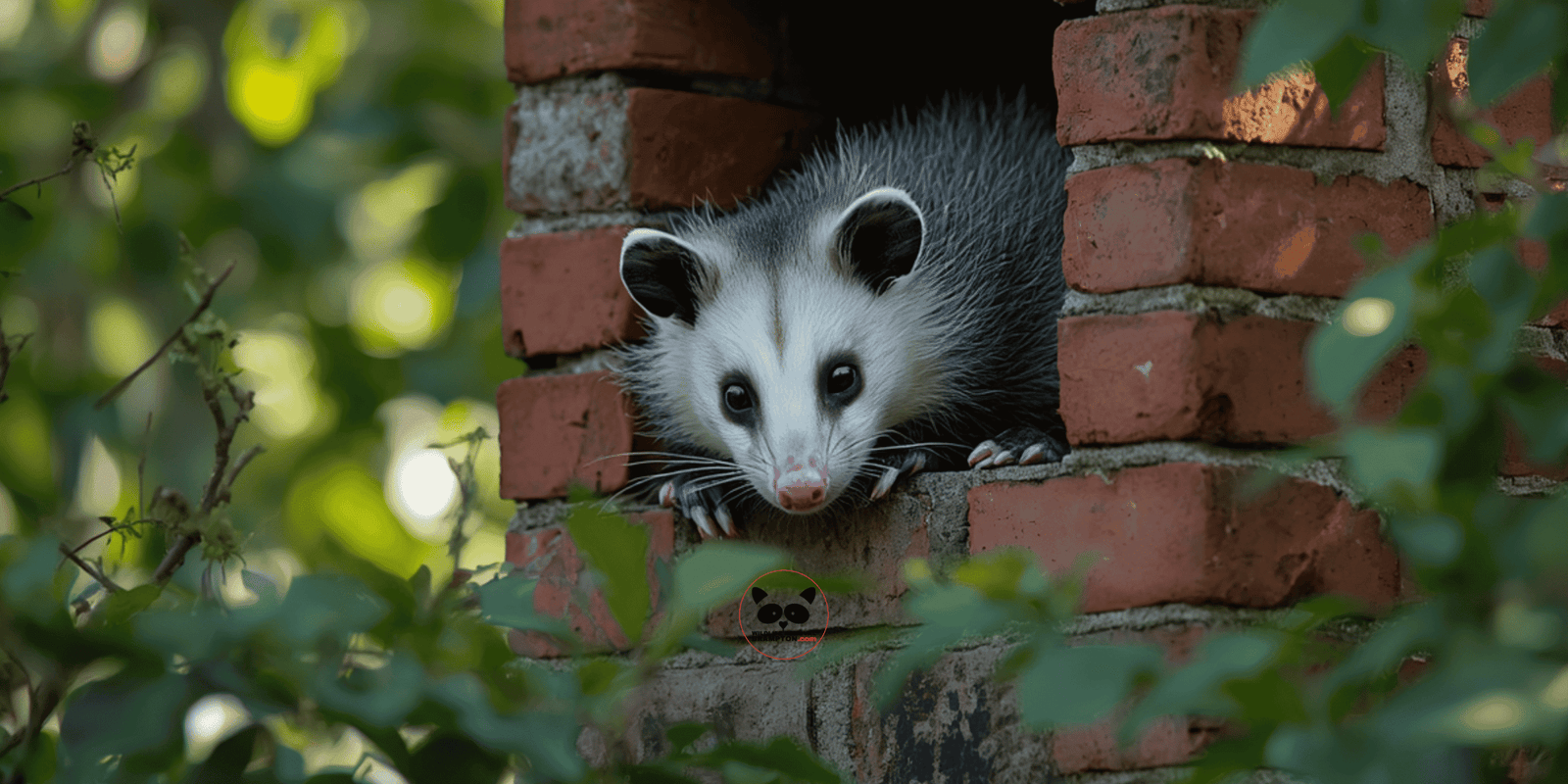
If you have heard slow, heavy scratching in your attic after dark or noticed scattered trash around your yard at dawn, you may be sharing your property with a Virginia opossum. As these creatures continue to expand across southern Ontario, Brampton and GTA homeowners face growing encounters that demand safe, effective, and legally compliant solutions. This guide covers everything from identifying an opossum problem to completing the removal process and protecting your home long-term.
Key Takeaways
- Humane opossum removal in Brampton and the GTA relies on thorough inspection, one way door systems, and proper sealing of all entry points to prevent wildlife from returning.
- Opossums commonly nest in attics, garages, sheds, and under decks; professional wildlife removal services are usually safer and more effective than DIY trapping.
- In Ontario, opossum removal must follow provincial wildlife regulations-using humane methods and avoiding poisons is both a legal requirement and an ethical standard.
- Reputable wildlife control companies in Brampton offer same-day or next-day opossum removal services, detailed inspections, and warranties on prevention work.
- This article explains what to do if you hear scratching at night, how the removal process works step by step, and how to keep other wildlife out of your property.
Understanding Opossums in Brampton & GTA
The Virginia opossum is now commonly found across Brampton and the Greater Toronto Area, having expanded its range northward over recent decades thanks to milder winters and abundant urban food sources. Often mistaken for a large rat, this slow-moving, cat-sized marsupial is actually North America’s only pouched mammal-a far cry from the rodents many homeowners initially suspect.
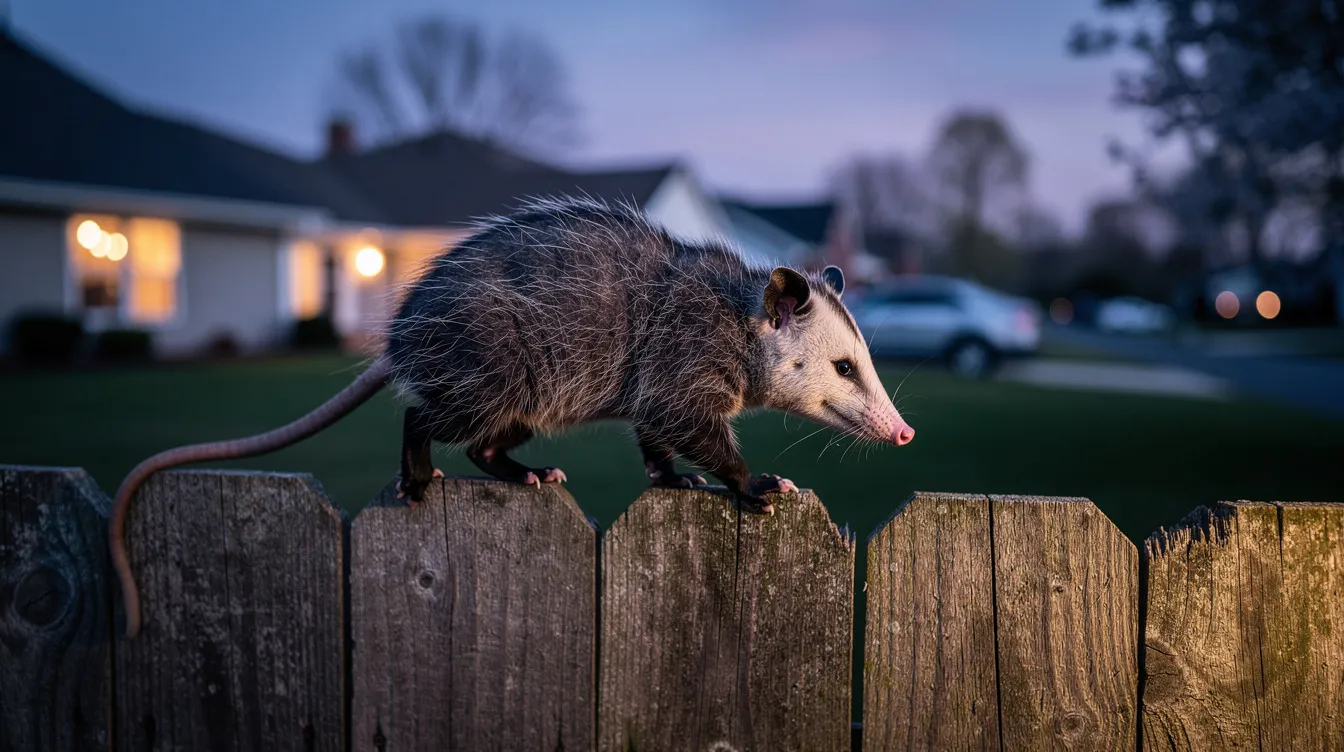
Basic identification is straightforward: gray fur with a distinctive white face, pointed nose, and a long hairless tail. Adults measure about 45–55 cm in body length and weigh between 2–6 kg. They have opposable thumb-like toes on their hind feet, making them excellent climbers of wood, fences, and decks. Opossums have a strong sense of smell, which guides them toward food sources across residential areas.
Behaviourally, opossums are nocturnal scavengers and strictly solitary animals. When threatened, they may hiss, bare their teeth, or involuntarily “play dead” through a response called thanatosis-secreting a foul odour to deter predators. They are omnivores and eat a wide variety of foods including insects, fruits, vegetables, small vertebrates, carrion, and anything they can scavenge from garbage cans or compost bins.
Common denning sites in Brampton neighbourhoods include attics, garages, sheds, spaces under decks and porches, and abandoned den sites previously used by raccoons or a skunk. Opossums prefer dark and dry resting places for sleeping during the day and can live in abandoned dens created by other animals, which means a hole left by one species quickly becomes an invitation for another.
In southern Ontario, opossums usually have one litter per year. While opossums can have litters of up to 13 babies, typically 6–9 young are successfully carried in the mother’s pouch. Babies may be heard squeaking or scratching inside walls or attics in late spring and early summer, which is an important consideration for anyone planning removal during that period.
Signs You Need Professional Opossum Removal
Early detection in Brampton homes-especially in mature neighbourhoods built before 2000 with aging soffits, vents, and foundations-can prevent costly damage and health concerns. Knowing what to look and listen for makes the difference between a quick eviction and a prolonged, expensive infestation.
Noise clues:
- Slow, heavy footsteps or scratching in the attic, walls, or under the floor
- Activity concentrated between roughly 10 p.m. and 5 a.m.
- Noticeably less frantic “scampering” compared to squirrels, which are active by day
Outdoor evidence:
- Tipped-over garbage bins and scattered trash near your yard
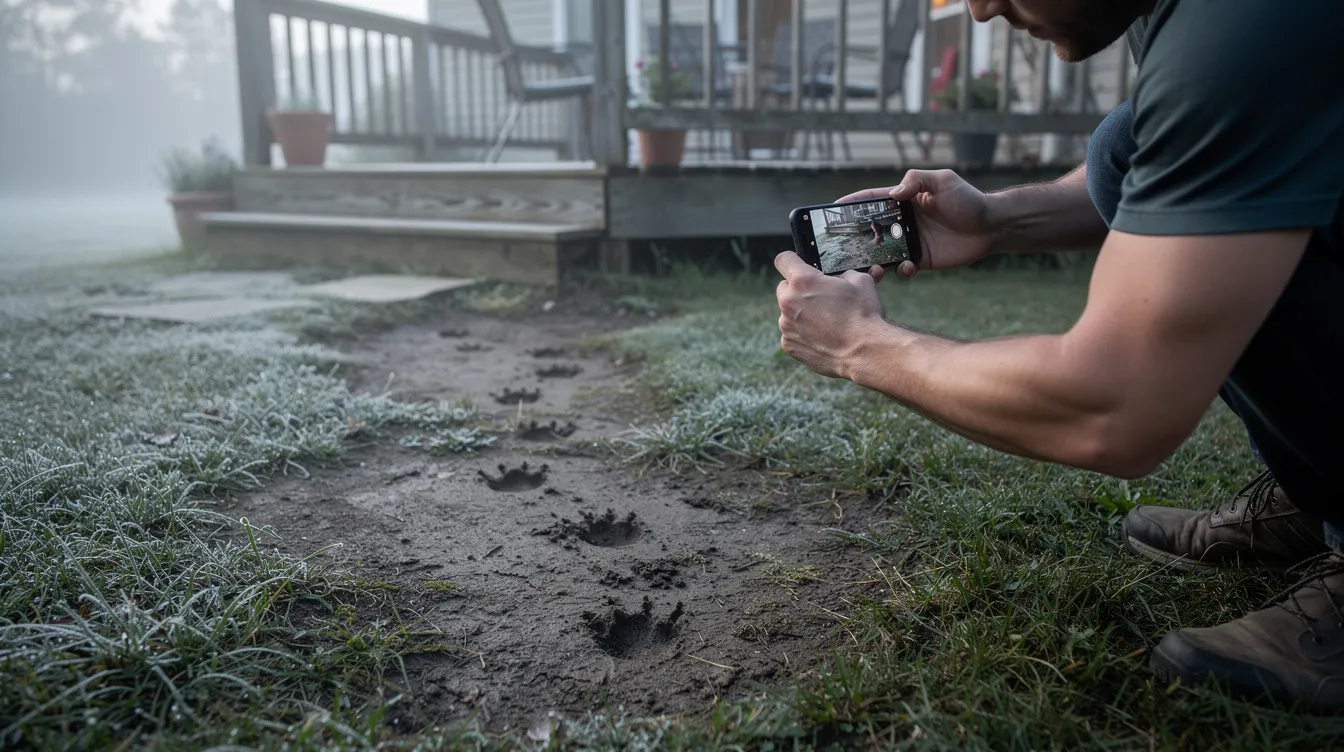
- Paw prints near foundations, along fence lines, or around sheds
- Droppings around decks, garages, and garden structures
Indoor signs:
- Foul odours from urine and feces seeping through ceilings or around roof vents
- Disturbed or compressed insulation in the attic
- Stains on drywall or ceiling tiles near areas where wildlife animals are entering
Repeated sightings of an opossum crossing the same fence line or entering under a deck at dusk are strong indications of an established den site. Opossums are attracted to food and shelter on properties, so a consistent presence signals that your home is providing both. At this stage, professional wildlife control is the most reliable next step.
Health & Property Risks of Opossums
Opossums are generally shy creatures, less destructive than raccoons, but they still create risks that justify professional opossum removal services. Ignoring the problem allows damage and health concerns to compound over time.
Property damage:
- Opossums can cause property damage if they enter homes-soiled and compressed attic insulation, chewed vapor barriers, contaminated storage boxes, and debris piles of leaves and garbage under decks or in garages are all typical outcomes.
Parasite and disease concerns:
- Opossums can carry fleas and ticks, posing health risks to pets like dogs and cats as well as humans. These parasites can spread through the affected area and into living spaces.
- Opossums can leave droppings that carry diseases like Salmonella, creating a direct contact risk during cleanup.
- Despite common fears, opossums are resistant to rabies due to their low body temperature, but heavy salivation during defensive displays often causes false rabies scares.
Odour issues:
- Strong, lingering smells from droppings and urine in confined spaces like attics or crawl spaces seep into living areas over time, degrading indoor air quality.
Secondary wildlife problems:
- Accessible food sources that attract possums also draw raccoons, skunks, rats, squirrels, birds, and other animals, increasing overall wildlife removal needs on the property. One nuisance species often signals vulnerability to many.

Why Choose Experienced Wildlife Removal Services
Comparing professional wildlife removal to DIY approaches reveals clear advantages in safety, legality, and long-term prevention. While a cage trap from a hardware store may seem like a quick fix, the risks of trapping during birthing season, violating provincial law, or failing to seal all entry points far outweigh any cost savings.
In Ontario, moving wild animals like opossums must comply with Ontario Ministry of Natural Resources and Forestry regulations. Reputable removal services are trained in these rules and understand seasonal restrictions, ensuring both legal compliance and animal welfare. Opossum removal must comply with Ontario regulations at every stage-from trapping to release.
Safety advantages: Technicians are equipped to work safely on roofs, ladders, and in tight attic spaces. They handle aggressive behaviour, contaminated droppings, and potential parasite exposure with proper protective equipment, protecting both themselves and homeowners.
Service scope: Quality wildlife removal services in Brampton and Toronto typically include:
- Full inspection and entry point identification
- Humane eviction using species-appropriate methods
- Cleanup recommendations for the affected area
- Exclusion repairs using industrial-grade materials
- Written warranties on prevention work
Humane trapping is the primary method for opossum removal when capture is necessary, but the emphasis is always on exclusion-based eviction-no poisons, no inhumane traps, and no glue boards. The focus remains on one way door systems and structural exclusion that allow animals to exit safely on their own.
Our Humane Opossum Removal Process
The removal process is designed for opossums and other wildlife such as raccoons and squirrels, and can usually be started same-day in Brampton and nearby GTA cities. The goal is to rid your property of wildlife humanely while ensuring they cannot re enter once exclusion is complete.
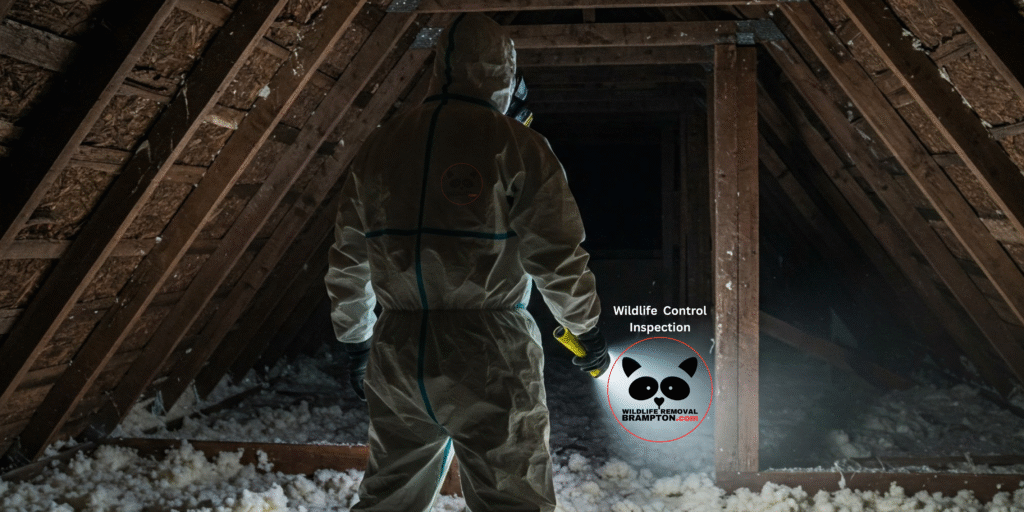
Step 1 – Inspection: Technicians conduct a thorough exterior inspection covering the roofline, soffits, vents, fascia, foundations, decks, and sheds. Interior attic or crawlspace inspections follow where safely accessible. Every potential entry point is documented with photos or short videos, and technicians identify whether babies or juveniles are present-a critical detail that shapes the entire approach.
Step 2 – One Way Door Installation: A specially designed one way door is installed over the main entry point. This device lets the opossum exit safely but prevents it from returning. All secondary openings are sealed before the door goes in, ensuring the animal must leave through the designated exit.
Step 3 – Exit Period: The door remains in place for a typical 2–7 day period, depending on weather and activity levels. In colder conditions or when juveniles are present, the waiting period extends. Technicians monitor for evidence that all animals, including any young, have vacated.
Step 4 – Final Sealing and Protection: Once vacancy is confirmed, the one way door is removed and the entry point is permanently sealed using galvanized mesh, metal flashing, or similar materials. Vulnerable gaps across the structure are reinforced. Installing one-way exit doors can help safely remove opossums from properties, and blocking entry points can reduce opossum invasions going forward.
Step 5 – Ground-Level Dens: For den sites under decks or sheds, trenching is used: heavy-gauge wire mesh is buried around the structure’s perimeter, extending 12–18 inches into the ground. Sealing crawlspaces can prevent opossums from nesting under decks or sheds, and this approach stops other wildlife from digging under as well.
Legal & Ethical Considerations in Ontario
Opossum removal in Ontario must follow provincial wildlife laws that prioritize humane treatment and restrict how far animals can be relocated. Understanding these rules is essential for both homeowners and the control services they hire.
Key legal points:
- It is illegal to harm or unnecessarily relocate wildlife in Ontario. Under the Fish and Wildlife Conservation Act, 1997, trapped opossums must be released within approximately one kilometre of the capture site and within 24 hours.
- Using poisons is effectively prohibited. Lethal removal is only permitted under very limited conditions by authorized persons.
- Certain trap types are restricted to licensed operators. Unlicensed individuals risk fines and legal consequences.
Professionally trained wildlife control companies are familiar with seasonal restrictions, including “baby season” in spring and early summer. Since opossums can have litters of up to 13 babies, responsible practitioners adjust methods to avoid separating mothers from dependent young, waiting until juveniles are mobile before completing exclusion.
Ethical best practices include humane eviction before sealing, never using glue traps or poisons, and always prioritizing animal welfare while still protecting homes and businesses serving both residential and commercial customers. Homeowners should confirm that any wildlife control services they hire are fully insured, follow Ontario Ministry guidelines, and provide clear written work descriptions and warranties.
Prevention: Keeping Opossums & Other Wildlife Out
Prevention is almost always more affordable than repeated removal services, and effective measures help with raccoons, skunks, birds, and other wildlife just as well as opossums. Once the removal is complete, the following steps keep your property secure.
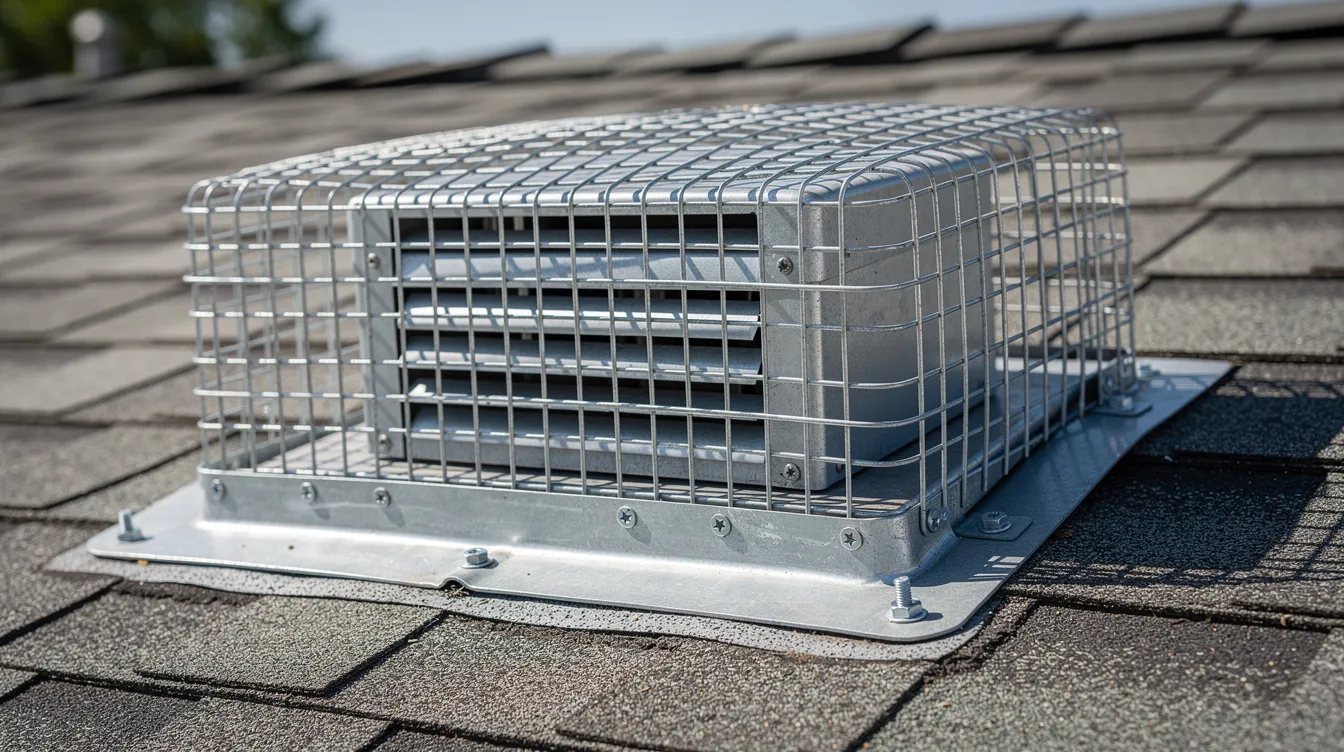
Structural exclusion measures:
- Screen attic and foundation vents with heavy-gauge metal mesh
- Cap chimneys with wildlife-proof covers
- Repair damaged soffits and fascia promptly
- Install durable covers on roof vents
- Trimming tree branches can prevent opossums from accessing roofs-cut back limbs within 2 metres of the roofline
Yard and waste management:
- Secure lids on garbage cans and green bins; securing garbage cans can help deter opossums from coming onto your property
- Store pet food indoors overnight-opossums are attracted to garbage and pet food left accessible
- Use sturdy, sealed compost containers
- Removing fallen fruit and pet food can discourage opossums and other wildlife from visiting your yard
Deck and shed protection:
- Bury heavy-gauge wire mesh around the base of decks, sheds, and additions through trenching
- This prevents opossums and other animals from digging under to establish ground-level dens
Seasonal maintenance tips:
- Conduct twice-yearly roof and foundation inspections, especially before fall and after winter, to catch small gaps before wildlife animals can exploit them
- Using motion-activated devices such as lights or sprinklers can frighten opossums away from yards and garden areas
Additional deterrents:
- Keep yards free of food waste, fallen fruits, and open garbage
- Supervise pets like cats and dogs outdoors during evening hours when opossums are active
Comparing Opossum Removal to Other Wildlife Control Needs
While the focus here is on opossum removal, many Brampton homeowners deal with multiple species and benefit from comprehensive wildlife control planning. Understanding how different animals behave helps clients and technicians develop a unified strategy.
| Species | Activity Period | Typical Entry Method | Destructiveness |
|---|---|---|---|
| Opossum | Nocturnal | Uses existing openings | Moderate |
| Raccoon | Nocturnal | Rips shingles, tears soffits | High |
| Squirrel | Daytime | Chews through wood and wiring | Moderate–High |
| Bat | Nocturnal/Crepuscular | Squeezes through tiny gaps | Low structural |
| Skunk | Nocturnal | Digs under structures | Low–Moderate |
Bat removal requires highly specialized one way door systems and timing constraints that comply with Ontario bat maternity season restrictions-a completely different expertise from opossum work. Professional wildlife removal services can address raccoons, skunks, squirrels, bats, and birds using species-appropriate exclusion devices and similar inspection methods.
Homeowners in residential areas with recurring issues should consider a whole-home wildlife audit. Golf courses, greenbelts, and ravine-adjacent properties in Brampton are especially vulnerable, and a single inspection can identify all potential entry points for present and future wildlife animals-whether the concern is dead animals in walls, found living colonies in attics, or nuisance creatures under sheds.
What To Do If You Suspect an Opossum Today
If you suspect an opossum is denning in your Brampton home, do not seal or block the entry holes immediately. Trapping wildlife indoors-especially during baby season-can lead to dead animals inside walls, severe odour problems, and legal complications.
Immediate steps:
- Reduce outdoor food sources: secure garbage, bring pet food and water bowls inside, and clean up fallen fruits and vegetables
- Keep pets away from suspected entry areas to avoid direct contact
- Do not attempt to handle the animal or its droppings-opossums may hiss or bite if cornered, and droppings pose health risks
- Avoid DIY trapping: legal, safety, and relocation concerns make professional help the safer choice for most homeowners
Reputable companies typically offer free or low-cost written estimates, explain the removal process in detail, and provide timelines for inspection, one way door installation, and final sealing. They deal with residential and commercial customers across Brampton and the wider toronto area, and their expertise helps identify whether opossums are the sole concern or if other wildlife is also present.
Document what you observe: note the times you hear noises, photograph any droppings or damage, and record where you see the opossum entering or exiting. This information helps technicians quickly assess and relocate their inspection priorities on arrival, allowing them to work efficiently and safely.
Frequently Asked Questions about Opossum Removal
How long does professional opossum removal usually take?
A typical Brampton opossum removal case involves a same-day or next-day inspection, quick installation of a one way door, and a 2–7 day waiting period for the animal to exit before final sealing. More complex cases-such as multiple entry points or combined issues with other wildlife like raccoons or squirrels-can extend the full process to roughly one to two weeks from first visit to final repairs. Technicians confirm vacancy before any permanent sealing takes place.
Can I block the hole myself once the opossum leaves?
Homeowners sometimes see the opossum leave and want to seal the opening immediately, but untrained sealing can trap unseen young or other wildlife still inside. A wildlife control technician should confirm the space is empty before proceeding. Proper materials matter: galvanized mesh, metal flashing, and industrial screws are essential. Simple foam or thin wood won’t hold-wildlife animals can chew through these quickly and re enter.
Are opossums dangerous to pets and children?
Opossums are usually timid creatures that prefer to flee or play dead rather than attack, but they can hiss, bare teeth, and bite if cornered or handled. Keep dogs and cats away from any opossum you encounter, and supervise children outdoors if an active den is suspected. Contact wildlife removal services promptly to minimize risk. While opossums rarely carry rabies, they can transmit fleas and ticks to pets through the environment, so addressing the problem quickly protects your entire household.
Will removing one opossum just make room for another?
Simply trapping or relocating an opossum without sealing entry points and removing attractants often leads to new wild animals taking over the same space. The key to lasting results is combining humane eviction with permanent exclusion and better waste and yard management. Without these steps, the abandoned den site becomes available to raccoons, skunks, rats, and other animals almost immediately. Protecting your property means addressing both the symptom and the cause.
Is opossum removal covered by home insurance?
Ontario home insurance policies vary considerably. Some may contribute toward repairs to building materials damaged by wildlife, while others exclude wildlife and pest-related damage altogether. Contact your insurer with photos and the wildlife company’s written report documenting the damage. The recommended practice is to verify coverage before committing to extensive attic repairs or insulation replacement, as understanding your policy early can help you plan the most cost-effective path forward.
Squirrel Removal, Bird Removal, Raccoon Removal,