What starts as a few mice scurrying through insulation can quietly escalate into a multi-species wildlife crisis. Understanding the biology of how small rodents in your attic attract other larger wildlife is essential for any homeowner who wants to protect their property, their family, and the animals themselves.
Key Takeaways
- Rats and mice in an attic create a biological beacon for predators and scavengers-raccoons, squirrels, snakes, and even coyotes follow scent trails, noise, and structural damage left by rodents.
- Strange noises, droppings, and chewed entry points are early warnings that a single-species rodent problem is on a trajectory toward a multi-species infestation.
- Rodents leave behind pheromones in urine and droppings that form persistent chemical corridors, guiding larger animals to easy access food, shelter, and nesting areas inside your home.
- Professional pest control and humane wildlife removal, combined with thorough rodent proofing and decontamination, is the safest way to break this biological chain reaction.
- Poison-free wildlife control protects families, pets, and non-target predators like owls and hawks from secondary poisoning.
Why Small Rodents in Your Attic Are a Bigger Wildlife Problem Than They Look
A rodent problem rarely stays a rodent problem. When common attic pests like house mice (Mus musculus), the roof rat (Rattus rattus), or the norway rat (Rattus norvegicus) colonize your attic space, they set off a cascade of biological signals that draws in wild animals far larger and more destructive than themselves. Mice prefer warm environments, thriving in attics where undisturbed conditions provide ideal nesting sites away from outdoor predators and harsh weather. Mice are nocturnal and most active at night, and attics provide exactly the kind of dark, insulated refuge they require.
The reproductive math makes the problem worse quickly. Mice can produce up to 60 offspring per year, meaning rodents can breed rapidly, increasing wildlife attraction with each passing month. As colonies grow, the concentration of scent, sound, and structural damage intensifies. Rodents act as a foundational prey base in urban ecosystems, and their accumulated presence in an attic creates a beacon for predators through their activity and scent. Raccoons, skunks, squirrels, snakes, and other wild animals are biologically wired to detect and exploit these signals-turning your attic into a contested habitat rather than a quiet storage space.
This is why early wildlife control matters. By the time homeowners hear animals overhead or notice droppings in insulation, the biological invitation to larger animals has often already been sent.
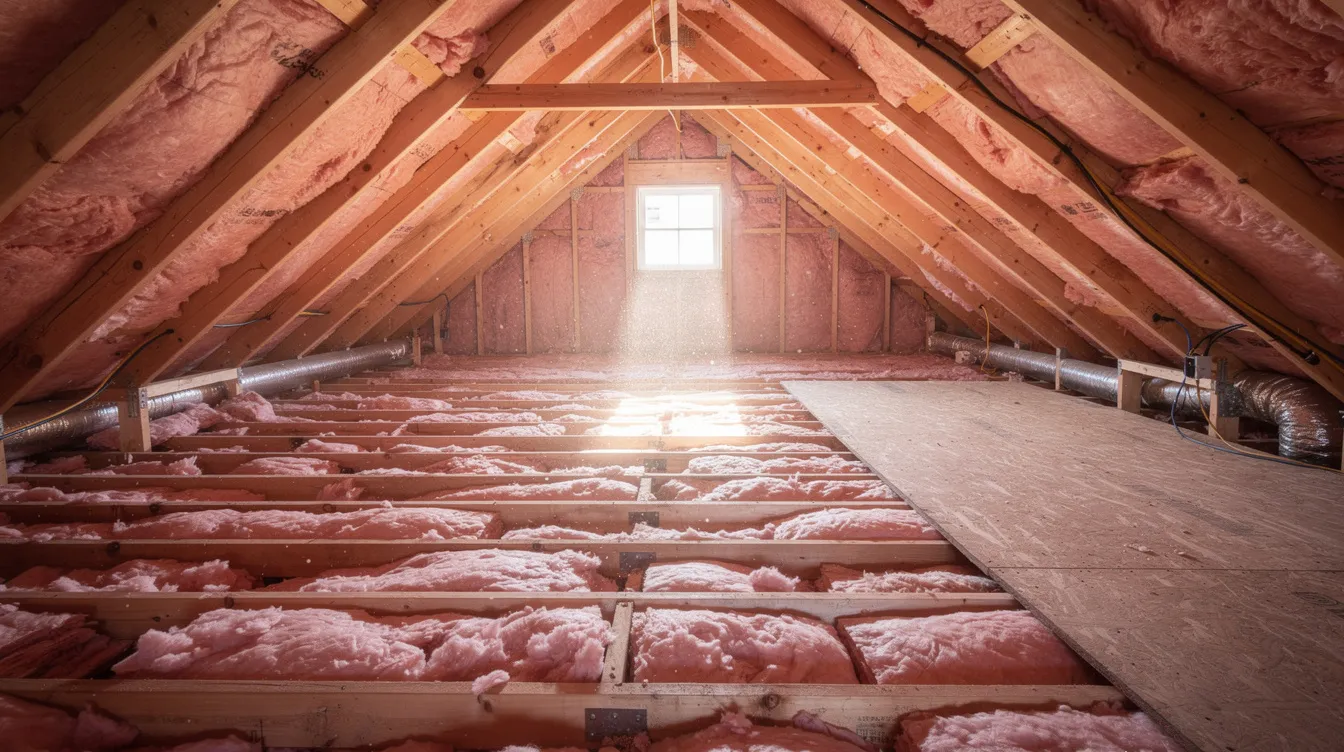
The Biology of Rodent Signals: How Scent and Sound Advertise Your Attic
Rodents communicate through a continuous broadcast of chemical and acoustic signals. Unfortunately, these same signals inadvertently advertise your attic to every predator and scavenger within detection range. Rodents generate loud noises and emit pheromones to attract predators-not intentionally, but as a biological consequence of normal nesting behavior.
Scent signals are the most persistent attractant. Rodents leave scent trails that attract larger animals through several mechanisms:
- Urine marking: contains urea and ammonia; volatile compounds accumulate in insulation and wood, seeping through soffit vents, roof vents, and construction seams.
- Fecal deposits: rodents leave droppings that are often rice-sized, clustered in latrine-like areas along travel routes.
- Oily rub marks: left along beams, wires, and joists where fur contacts surfaces repeatedly, creating visible smudge lines.
Strong odors can indicate a rodent infestation in the attic, and these concentrated scent corridors are detectable to raccoons, foxes, snakes, and feral cats. A field study on predator attraction demonstrated that over 50 percent of plots scented with house mouse signals received predator visits within just two days, compared to virtually none on unscented control plots.
Sound signals are equally important. Squeaking or scurrying noises often signal rodent presence, and gnaw marks on wood and wires indicate rodent activity that produces audible scratching noises detectable through roof materials. Predators are attracted to the noise made by nesting rodents-owls use acute hearing to locate prey through roofing, snakes detect movement vibrations, and raccoons investigate sounds from rooflines and soffits.
From Easy Access to Highway System: How Rodents Open the Door for Larger Animals
Rodent behavior and physical abilities transform minor construction flaws into functional wildlife highways. A mouse can fit through a gap the width of a pencil, and mice can squeeze through openings as small as a quarter. Rats require only slightly larger small openings. These small mammals exploit structural vulnerabilities that most homeowners overlook:
- Small gaps around utility lines and pipe penetrations
- Unprotected weep holes and loose soffit vents
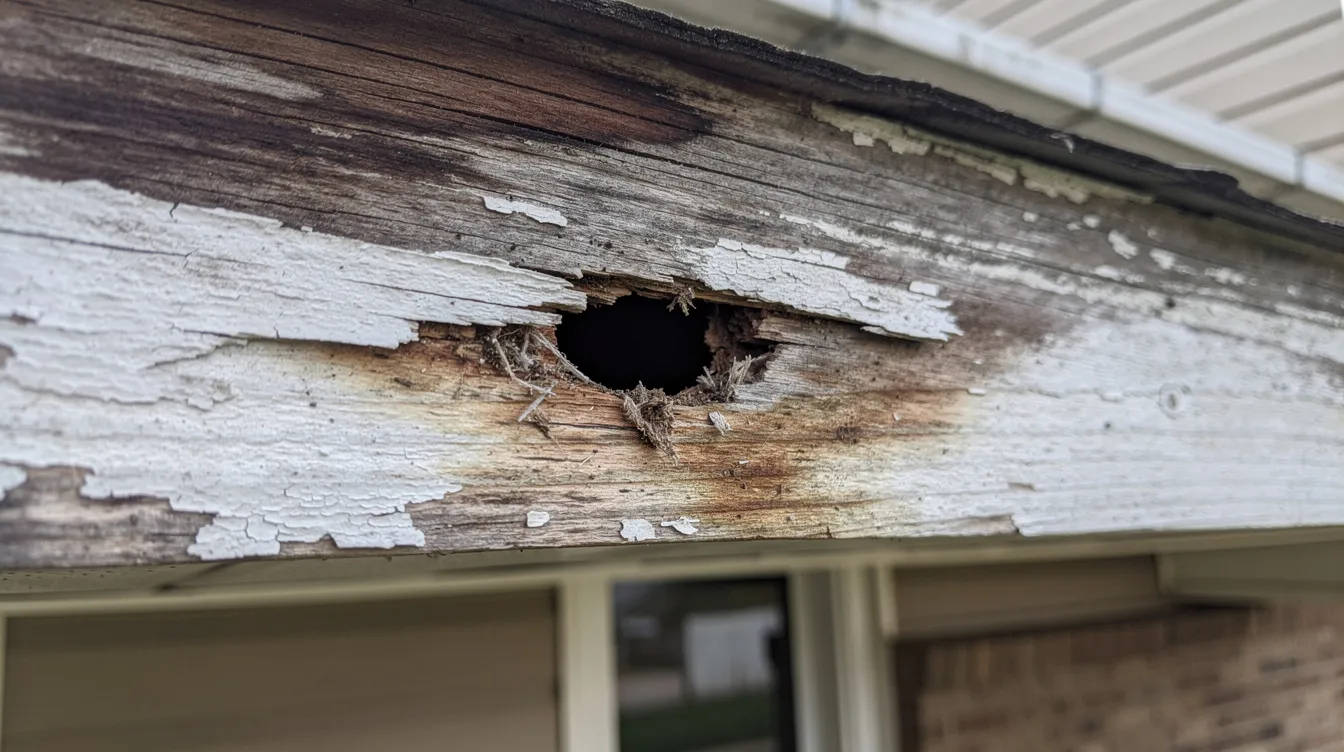
- Warped or deteriorated fascia boards
- Uncapped or corroded roof vents and gaps between fascia and eaves
- Small holes at roof returns and gable vents
Rats are excellent climbers-particularly the roof rat, which follows siding, downspouts, and utility lines to reach upper-storey entry points. Over long periods, rodent gnawing enlarges these small openings into access routes that other animals can exploit. Rodents can create entry points for larger wildlife through persistent chewing on wood, vinyl, and softer metals.
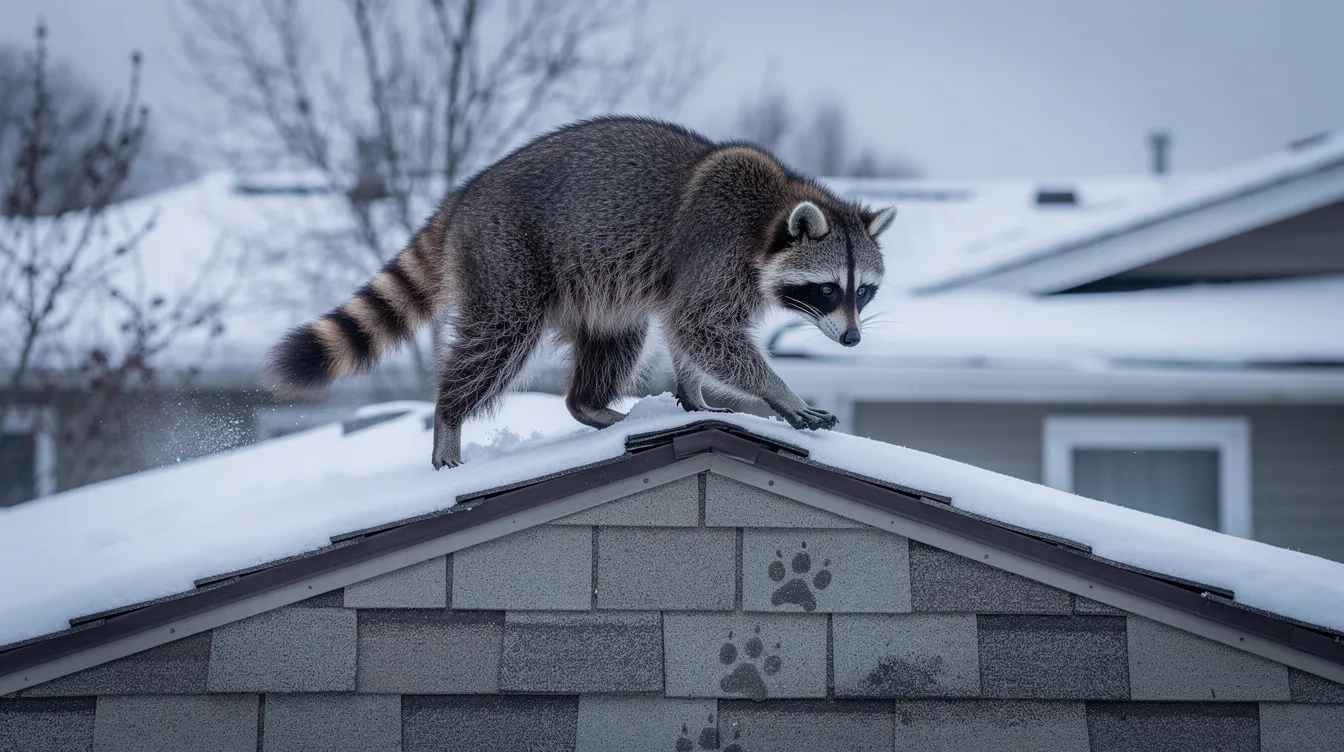
Once these pathways exist, raccoons and squirrels follow rodent scent up siding and along rooflines, using their stronger teeth and claws to tear shingles and plywood sheathing. Larger predators may cause severe structural damage when they enter attics, and escalating structural damage can occur as these secondary intruders convert rodent-sized gaps into full-scale breaches. The concept of “secondary intruders” is well documented in wildlife removal-once raccoons or squirrels gain access, they may displace rodents but continue attracting other animals through food scraps, latrines, and birthing dens.
Common Attic Pests and the Larger Wildlife They Attract
Understanding which small animals are in your attic helps predict which larger animals will follow.
House mice leave rice-sized dark droppings, produce light scratching noises at night, and build nests made of insulation and shredded nesting materials. Their presence attracts snakes (which track scent into crawlspaces and wall voids), weasels, and owls hunting along foundations and rooflines. Rodents create a high-density food source for predators, making even a modest mouse colony a significant draw.
Roof rats and Norway rats differ in behavior-roof rats are arboreal and climb readily, while Norway rats tend toward ground-level burrowing but will occupy attics when accessible. Both produce heavy scent, droppings, and acoustic signals. Raccoons often follow rodent scent trails into homes, and foxes and coyotes investigate the perimeter around garbage and compost where rats forage. Nesting environments attract larger animals seeking shelter, especially during colder months.
Eastern gray squirrels and flying squirrels act as both primary invaders and secondary followers. Squirrels are typically quiet relative to raccoons but produce distinctive daytime activity-scratching, chattering, and gnawing. They exploit rodent-made weaknesses to gain access and cache food items like nuts, seeds, and pet food inside wall voids. Their four toes on front feet leave identifiable tracks in attic dust, distinct from the five-toed prints of raccoons.
Less obvious followers include snakes and small mustelids like mink and weasels, which track rodent scent through the same small gaps and utility penetrations. Rodents host parasites that can transfer to larger predators in attics, creating a shared ectoparasite burden across species.
Health and Structural Risks of a Multi-Species Infestation
Once rodents attract larger wildlife into your attic, the health risks and structural damage multiply dramatically. What begins as a manageable rodent problem can become a complex biohazard requiring professional intervention.
Disease and parasite concerns include:
- Rodent droppings and urine can spread diseases including salmonellosis, leptospirosis, and hantavirus
- Raccoons introduce Baylisascaris procyonis (raccoon roundworm), with 40–60 percent of adults infected and each animal shedding thousands to millions of eggs per defecation
- Accumulated waste from rodents and predators can carry parasites including fleas, mites, and ticks that migrate to pets and humans
- Many pests that carry diseases thrive when multiple host species share the same attic space
Structural hazards are equally serious. Rodents can compromise insulation and wiring, creating fire hazards when electrical wiring is gnawed through. Raccoons and squirrels rip up vapor barriers and insulation, and heavy concentrations of urine and droppings saturate drywall, producing staining, mold, and persistent odors. Clogged bath or dryer vents from nesting material create genuine fire hazards and moisture accumulation risks, while blocked gable or soffit vents reduce ventilation and energy efficiency throughout the home.
Seasonal Patterns: When Small Rodents and Larger Wildlife Are Most Active
Understanding seasonal peaks in wildlife activity helps homeowners time inspections and prevention strategies effectively.
Late fall and winter (October–March) represent peak incursion periods. First frosts push mice, rats, and squirrels to seek shelter in attics where stable temperatures and insulation provide protection from harsh weather. Rodent activity surges as nights drop below freezing, with many wildlife control companies documenting sharp November increases in service calls.
Spring and early summer (March–June) bring key birthing seasons. Raccoons give birth between February and April (litters of 3–5 kits), while squirrels produce two litters per year-spring and late summer. Female raccoons and squirrels actively seek established, rodent-impacted attics as safe maternal dens. During these periods, birds may also nest in eaves and vents, adding to the concentration of many animals in the roofline area.
Homeowners are most likely to hear strange noises at night during winter-indicating nocturnal animals like mice, rats, or raccoons. Daytime scratching noises and chattering in early spring typically suggest squirrels. Keeping a log of timing and sound type helps pest control experts identify species accurately before beginning wildlife removal.
Breaking the Chain: Integrated Pest Control, Wildlife Removal, and Rodent Proofing
Effective prevention strategies combine sanitation, exclusion, and humane population control to stop the biological chain reaction before it escalates into a large infestation. The goal is not merely to control rodents but to eliminate the signals and access routes that draw in other animals.
Inspection: check rooflines, soffits, gable vents, chimney flashing, utility penetrations, and garage door corners from both inside the attic and outside the home. Inspect attics for signs of rodent activity twice a year-ideally before the fall incursion season and again in early spring. Look for droppings, rub marks, gnaw marks, and nests.
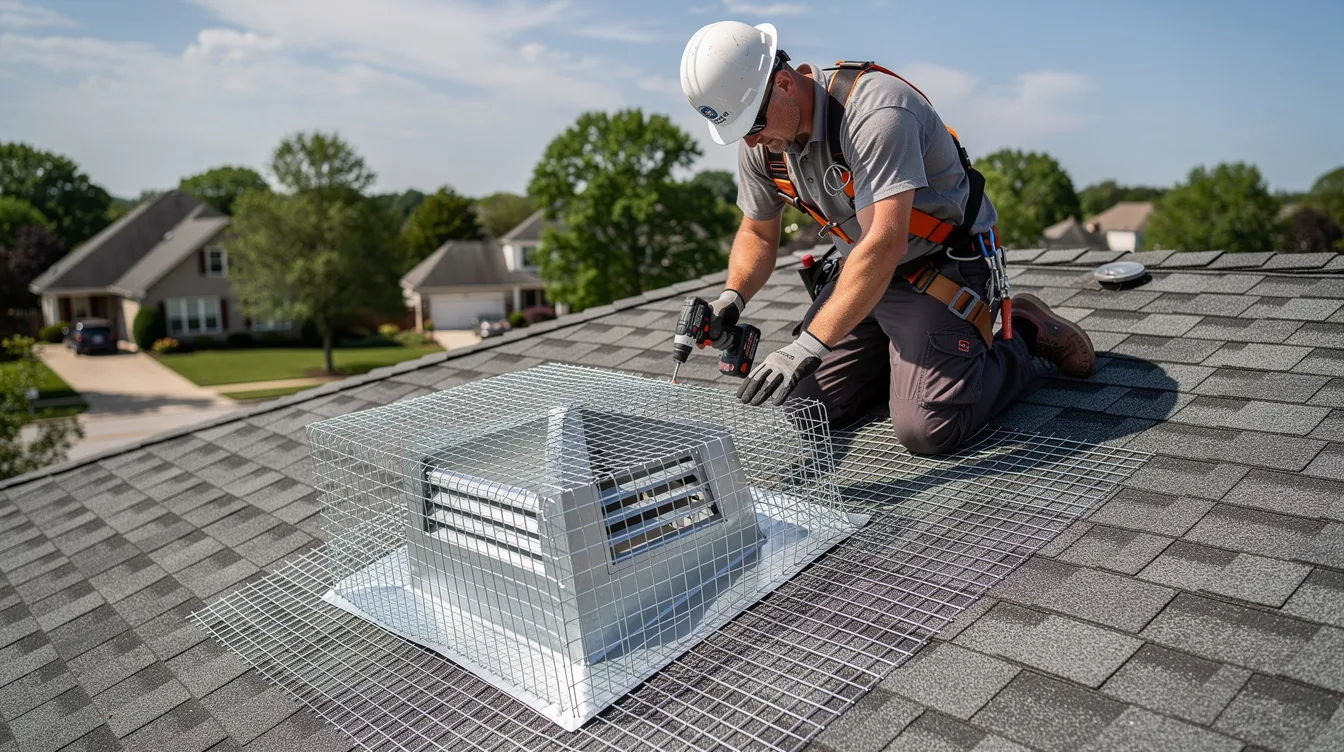
Exclusion and rodent proofing: seal entry points larger than a quarter-inch using chew-proof materials. Use wire mesh or steel wool to seal gaps, reinforce with galvanized steel mesh and metal flashing, and install vent guards and chimney caps. Seal cracks along the foundation and roofline. All permanent sealing should occur only after animals are safely removed-never trap animals inside. When dealing with nesting mothers, one-way doors allow exit without re-entry. Avoid glue traps and bait stations in attics where non-target wildlife may be present. Where trapping is necessary, place traps strategically-snap traps and live traps should be positioned along confirmed travel routes, never randomly.
Reducing attractants: secure garbage and compost, store pet food and birdseed in sealed containers, and store items in airtight plastic containers, not cardboard. Clean up fallen fruit and eliminate outdoor food sources near the structure. Trim tree branches at least 6 feet from roofs to eliminate the easy access routes that squirrels and raccoons use. Reducing food sources around the property is one of the most effective ways to prevent future infestations.
Professional wildlife control services offer species-specific methods, full decontamination, and legal compliance-critical during nesting seasons when disturbing dens may violate wildlife protection laws. Humane, non-poison techniques also eliminate the risk of secondary poisoning to owls, hawks, pets, and other small animals in the food web.
Decontamination and Attic Restoration After Rodents and Wildlife
Solving the biological attraction problem requires more than removal. The remediation process must erase the scent and pathogen signals that would otherwise re-attract wildlife indefinitely.
Safe cleanup protocols include appropriate PPE (respirators, gloves, disposable coveralls), HEPA-filtered vacuums, and surface disinfection. All contaminated materials-heavily soiled insulation, nesting materials, food caches, and carcasses-must be carefully removed and disposed of following biohazard guidelines. Avoid sweeping dry droppings, which can aerosolize dangerous pathogens like hantavirus.
Professional teams sanitize wood framing, sheathing, and mechanical components to neutralize lingering pheromones and bacterial contamination. Replacing contaminated insulation restores the thermal barrier and improves energy efficiency. Modern specialized insulation products treated with pest-deterrent compounds add an extra layer of protection against insects and small mammals attempting re-entry.
A final post-restoration inspection should confirm all entry points are sealed, ventilation is unobstructed, and no new signs of rodent activity, droppings, or gnaw marks have appeared.
Frequently Asked Questions
Can mice in my attic really attract raccoons and other large animals from outside?
Yes. Rodent infestations routinely draw in larger animals. Raccoons, skunks, snakes, and even coyotes follow scent, sound, and food waste created by rodent colonies. These predators use existing entry points-or enlarge them-to access attics, crawlspaces, and garage areas. Studies confirm predator visitation to rodent-scented areas occurs within as little as two days.
How do I know if the noises I hear are just rodents or something bigger?
Light, rapid scratching and soft squeaks predominantly at night typically suggest mice or rats. Heavier thumping, dragging sounds, or loud chattering during daytime hours often indicate squirrels, while heavy nighttime movement and vocal sounds point to raccoons. Keeping a simple log noting time of day and type of sound helps pest control experts diagnose the species accurately before beginning removal.
Is it safe to use rodent poison in the attic if I’m worried about larger wildlife?
Poisons are generally a poor choice for attic environments. Poisoned rodents frequently die in wall voids or insulation, creating severe odors and attracting insects. More critically, predators and pets that consume poisoned carcasses face secondary poisoning-a significant risk to owls, hawks, domestic cats, and dogs. Humane trapping, exclusion, and professional wildlife removal are safer and more effective long-term approaches.
How quickly can a small rodent problem turn into a multi-species infestation?
In real homes, this can happen within a single season. A few mice entering in late fall can become a substantial colony by mid-winter, and raccoons or squirrels may move into the same attic by spring once scent corridors and access routes are well established. Early inspection and rodent proofing at the first signs of activity-before a body weight of evidence accumulates-remain the most reliable way to prevent future infestations.
What should I ask a wildlife control company before hiring them?
Ask whether they use humane, non-poison methods and whether their service includes full inspection plus rodent proofing. Confirm they handle decontamination and insulation replacement as part of the remediation process. Verify licensing and insurance. Choose providers who offer written treatment plans and before-and-after photos of repairs so you can verify the work and ensure no new pests or other animals can re-enter the structure.

Squirrel Removal, Bird Removal, Raccoon Removal,