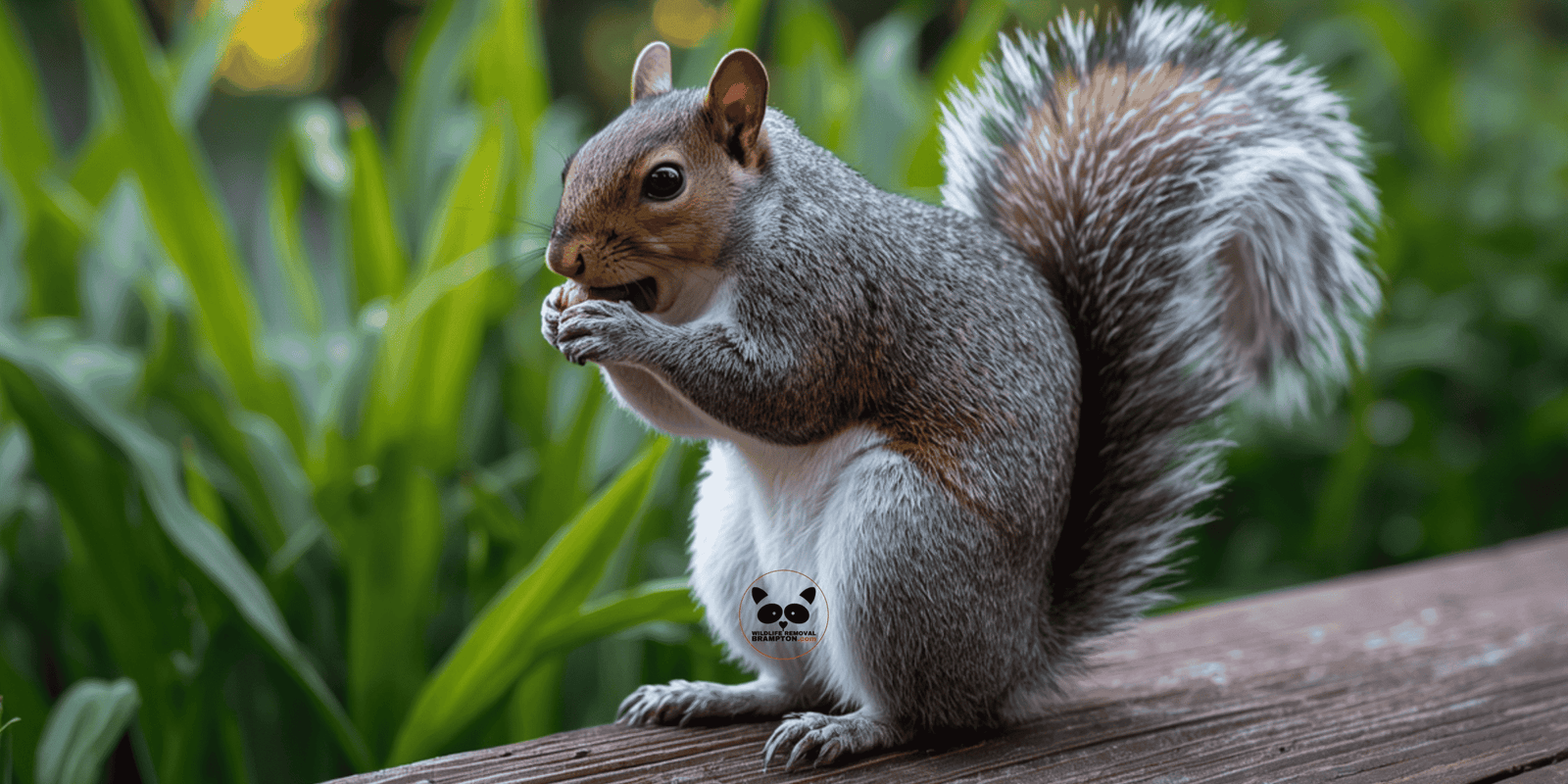
Key Takeaways
- Squirrels living in attics can rapidly degrade attic insulation, chew through electrical wiring, and compromise roof structures, creating fire and water-damage risks that cost thousands to repair.
- Humane wildlife control methods-particularly one way doors combined with sealing entry points, deliver safer, more effective squirrel removal than most diy methods or lethal approaches.
- Timing around baby seasons (early spring and late summer) and compliance with local regulations directly determine which removal techniques are legal and which risk orphaning dependent young.
- Professional removal services typically bundle a thorough inspection, humane exclusion, structural repairs, biohazard sanitation, and follow-up visits to prevent re-entry.
- Physical barriers are the only permanent way to keep squirrels out; deterrents and repellents alone will not solve a persistent squirrel problem once animals have established a den inside your building envelope.
Why Humane Squirrel Removal Matters in 2026
By 2026, urban wildlife conflicts will have become a defining property-maintenance challenge across Canadian cities. More than a third of homeowners in regions like Ontario and Quebec now report squirrels coming into attics, soffits, or rooflines during at least one season per year. The scenario is familiar: persistent scratching noises at dawn, torn fascia boards near a chimney, or a grey squirrel disappearing under a soffit cap at a roof corner in Toronto, Montreal, or Calgary.
Humane squirrel removal protects both the property and the wild animals involved, aligning with eco conscious expectations and modern pest control regulations that increasingly prohibit lethal or high-stress interventions. This article walks you through the signs of infestation, diy squirrel removal options versus professional help, humane removal techniques, attic repairs, sanitation protocols, and long term prevention-equipping you with the authoritative, fact-backed knowledge to resolve a wildlife problem without unnecessary harm or legal risk.
Understanding Squirrels in Buildings and Attics
The eastern gray squirrel (Sciurus carolinensis) is among the most common tree squirrels in urban areas across eastern Canada. Red squirrels and flying squirrels also den in structures, but eastern greys account for the majority of attic infestations in cities surrounded by wooded areas and mature tree canopy.
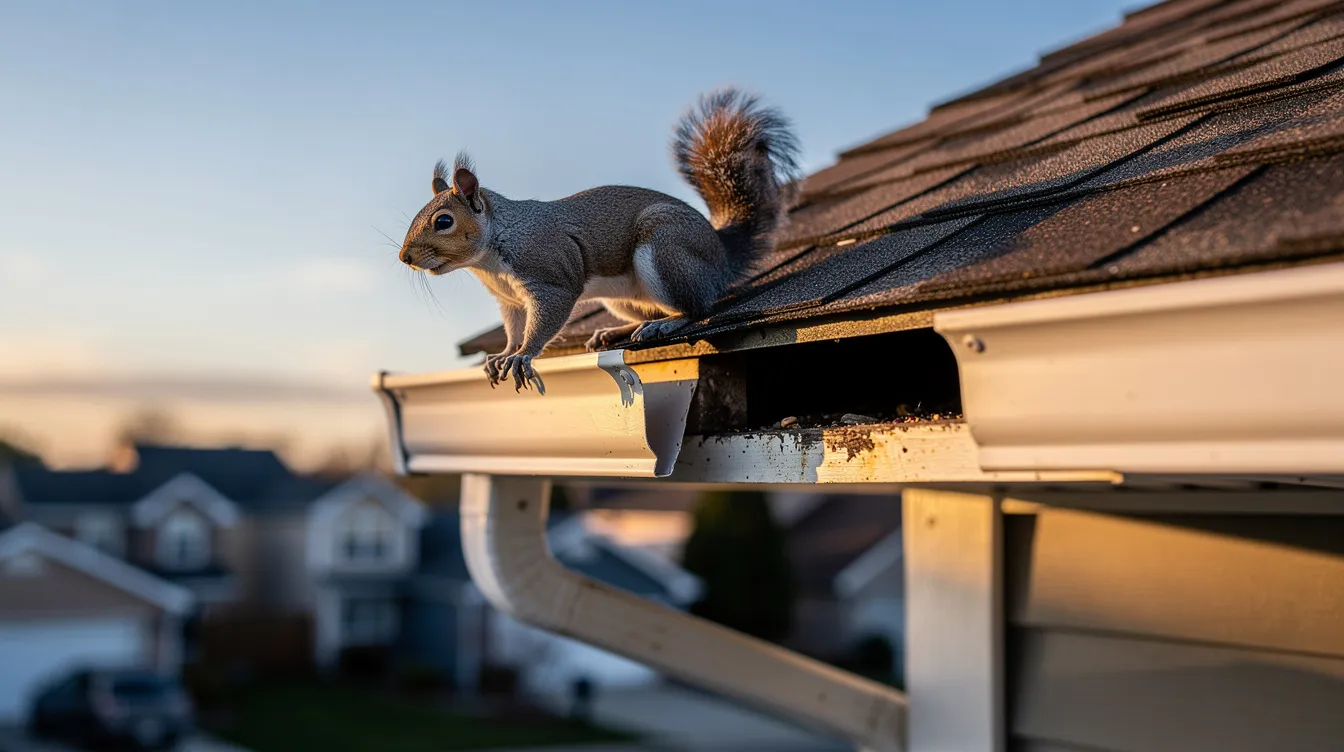
Why do these animals target your attic instead of a tree cavity? Modern housing stock provides exactly what a squirrel family needs: sheltered, dry, thermally stable space accessible through aging soffits, fascia gaps, uncapped chimneys, and unscreened roof vents. Squirrels can enter through gaps as small as 2 inches, far smaller than most homeowners expect.
Seasonal nesting habits drive the urgency. Eastern grey squirrels have two breeding seasons annually: winter (January–February) and summer (June–July), with a gestation period of approximately 40–44 days. Juveniles are born blind and hairless and remain dependent on the mother for roughly 10–12 weeks. This creates two high-risk “baby seasons”-early spring (February–April) and late summer (July–September)-when exclusion work must be carefully timed.
Because squirrels are diurnal (active during daytime), their scurrying and gnawing sounds are distinct from nocturnal pests like rats, mice, or raccoons. Knowing this distinction helps you diagnose the pest issue accurately and plan the correct response.
Key terms used throughout this article:
| Term | Definition |
|---|---|
| Den | The squirrel’s nest space inside a tree, attic, or wall cavity |
| Primary entry point | The main hole actively used by squirrels to access the structure |
| Secondary access points | Smaller or less obvious openings that may be tested or widened |
| Drip edge | Metal flashing along the roof eaves that diverts water and blocks squirrel entry |
| Exclusion | Sealing and barrier methods designed to prevent squirrel access |
| R-value | Thermal resistance rating of insulation material |
Signs You Have Squirrels in Your Attic or Roof
Early detection makes all the difference between a minor intervention and an expensive remediation project. The sooner you identify the wildlife issues, the simpler and cheaper the squirrel removal process becomes.
What to listen for: Daytime scurrying, rolling, or scratching sounds from ceilings-especially at dawn and dusk-coming from bedrooms or upper floors. These diurnal patterns point toward squirrels rather than nocturnal pests.
Exterior clues to watch for:
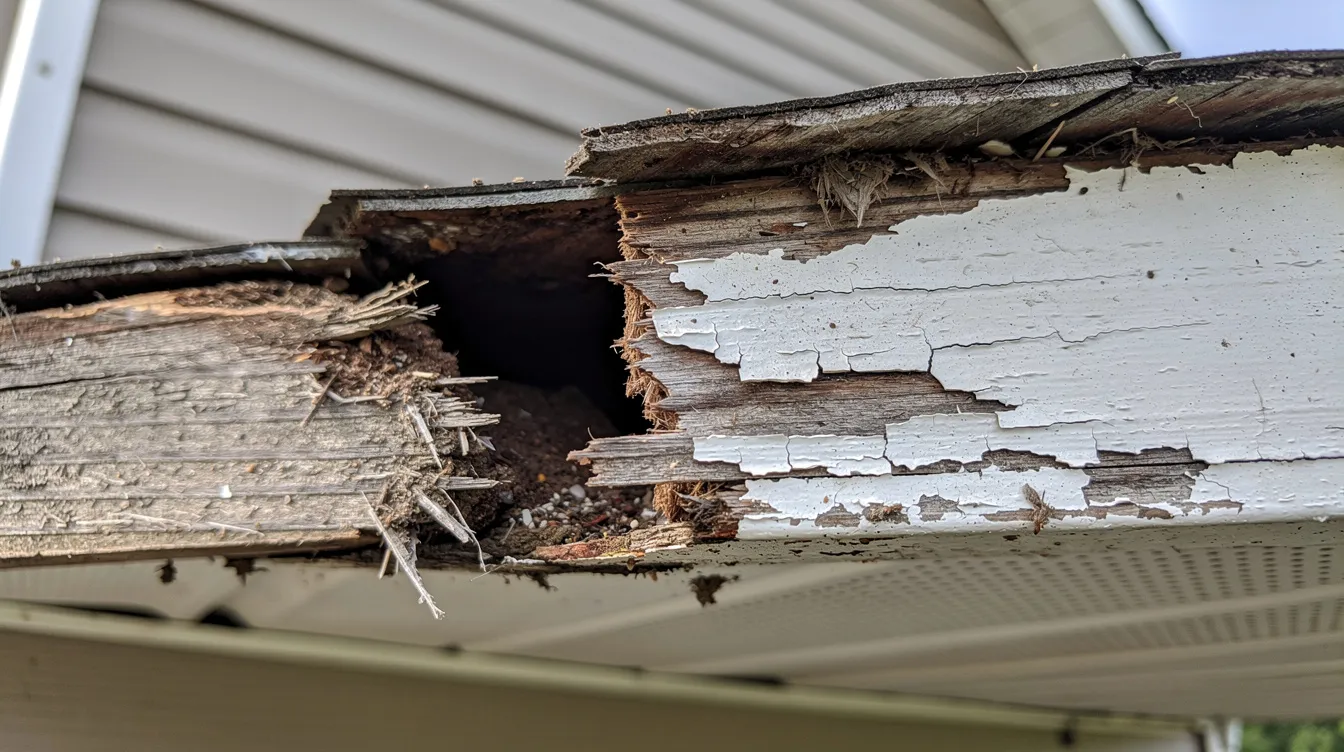
- Gnawed soffits, fascia boards, or roof edges with visible chewed surfaces
- Damaged or missing roof vent screens
- Gaps along the roof line near intersections or chimney bases
- Squirrels repeatedly entering or exiting the same hole
Interior indicators:
- Shredded attic insulation or cardboard repurposed as nesting material
- Droppings on attic floorboards (smaller and more elongated than raccoon scat)
- Faint urine odours near ceiling fixtures or the attic hatch
- Displaced or compressed insulation in concentrated areas
Conduct a safe visual inspection from ground level and at the attic hatch. Avoid cornering squirrels in enclosed spaces, and do not climb steep, icy, or mossy roofs without proper safety equipment.
Risks: Property Damage, Fire Hazards, and Health Concerns
A single squirrel family can inflict thousands of dollars in property damage within a single winter season. Understanding the scope of these risks reinforces why effective squirrel removal should never be delayed.
Insulation degradation: Squirrels compress, soil, and displace attic insulation, reducing its R-value and driving up heating and cooling costs. Where insulation depth falls below current code requirements, energy bills rise significantly across harsh Canadian winters and humid summers.
Fire and electrical risk: Squirrels cause significant damage to electrical wiring by chewing through plastic wire sheathing and exposing copper conductors. An estimated 50% of house fires from unknown causes are due to rodents-a statistic that underscores the danger of ignoring gnawed wiring in attic spaces. Squirrels can also gnaw through PVC plumbing lines, causing water damage inside walls and ceilings.
Structural compromise: Squirrels can create large holes in roofs and siding, undermining the weatherproof envelope. Gnawed rafters, deteriorated fascia boards, and compromised flashing lead to water intrusion, rot, and mould-extensive damage that compounds rapidly.
Health concerns: Squirrel droppings can carry Leptospirosis and Salmonella. Secondary pests-fleas, mites, ticks-often accompany established nests. While squirrels rarely transmit rabies, the biohazard risks from accumulated waste and contaminated insulation demand proper sanitation protocols. The health concerns squirrels pose extend to degraded indoor air quality when airborne particles from droppings circulate through ventilation pathways.
Legal and Humane Considerations in Squirrel Removal
Wildlife laws in provinces like Ontario, Quebec, and Alberta regulate how squirrels and other wildlife can be handled, transported, and released. Ignoring these rules exposes homeowners to fines and ethical liability.
In Ontario, for example, captured wildlife must be released within 1 km of the capture location, and live traps must be checked at least every 24 hours. Ontario mandates humane treatment for all removed animals, and killing native tree squirrels or using poison is generally prohibited. These constraints apply whether you handle the work yourself or hire ontario wildlife removal professionals.
Live trapping and long-distance relocation often fail for biological reasons: relocated squirrels face high stress, territorial conflict, and poor survival rates. Trapping squirrels during baby seasons orphans dependent young. New squirrels quickly fill the vacated territory, rendering the effort pointless.
The principles of humane wildlife control centre on exclusion rather than capture:
- Preserve family units whenever possible
- Avoid trapping during peak baby seasons
- Minimize animal distress through controlled exit devices
- Ensure both the animals and the structure are protected
Always verify that any pest control or wildlife company you hire uses humane removal and holds appropriate ministry or environmental licensing. Humane methods prevent harm to both animals and property when executed correctly.
First Steps When You Suspect Squirrels
Stay calm, resist the urge to seal holes immediately, and verify whether a mother and young may be present before taking action.
Observation: Watch the suspected entry point from ground level for 30–60 minutes during daylight. Note when squirrels exit, how frequently, and whether multiple animals use the same opening. Companies that respond quickly to calls still begin with this same observation protocol.
The paper test: Tape lightweight paper or aluminum foil over a suspected entry point for 24 hours. If squirrels disturb or remove it, you have confirmed an active access point without trapping animals inside.
Reduce attractants immediately:
- Remove or relocate bird feeders (squirrels are known for raiding bird feeders, which can attract them to properties and nearby structures)
- Secure garbage lids and compost bins
- Eliminate spilled seed or pet food near the foundation
Never block holes at night or during cold snaps without a plan. Sealing prematurely can trap squirrels inside walls, creating foul odours, die-off, and additional structural damage-turning a manageable pest issue into a far costlier one.
DIY Squirrel Removal: What’s Safe and What’s Not
Limited diy methods can help for minor, early-stage infestations, but most attic cases are safer and more reliably resolved by professionals. Here is an honest breakdown.
Safe, humane DIY approaches:
- Mild harassment using portable work lights, talk radio, or apple cider vinegar–soaked cloths placed near the nest for 3–5 days in small, accessible spaces
- Humane methods for deterring squirrels include natural repellents and repairing nests that are still in early construction stages
- Trimming tree branches back 2–3 metres from the roof line to reduce climbing access
- Securing garbage and removing outdoor food sources
Common DIY mistakes to avoid:
- Using snap traps, poisons, or glue traps-illegal or inhumane in most jurisdictions
- Sealing entry points while squirrels are still inside
- Attempting dangerous roof work without proper safety equipment or fall protection
Diy squirrel removal is generally unsuitable when babies are present, when squirrel entry points are at height or in complex roof geometry, when electrical wiring damage is suspected, or when you are dealing with a commercial property. If exclusion methods fail, live-catch cage traps can be used as a secondary measure, but bait for traps can include whole peanuts or peanut butter placed strategically and professionals check live traps daily as required by law-a commitment many homeowners underestimate.
Professional Humane Squirrel Removal Process
Reputable squirrel removal services follow a structured, multi-visit squirrel removal process designed to completely remove the animals, seal the structure, and prevent future wildlife issues. Effective removal of squirrels can involve professional pest control services that coordinate humane exclusion, structural repairs, and sanitation into a single integrated plan.
The goal is both immediate eviction and long term prevention-not simply chasing individual animals away. Removing squirrels requires exclusion, deterrence, and trapping solutions applied in the correct sequence by trained technicians who understand the seasonal and legal constraints.
Comprehensive Inspection and Entry Point Detection
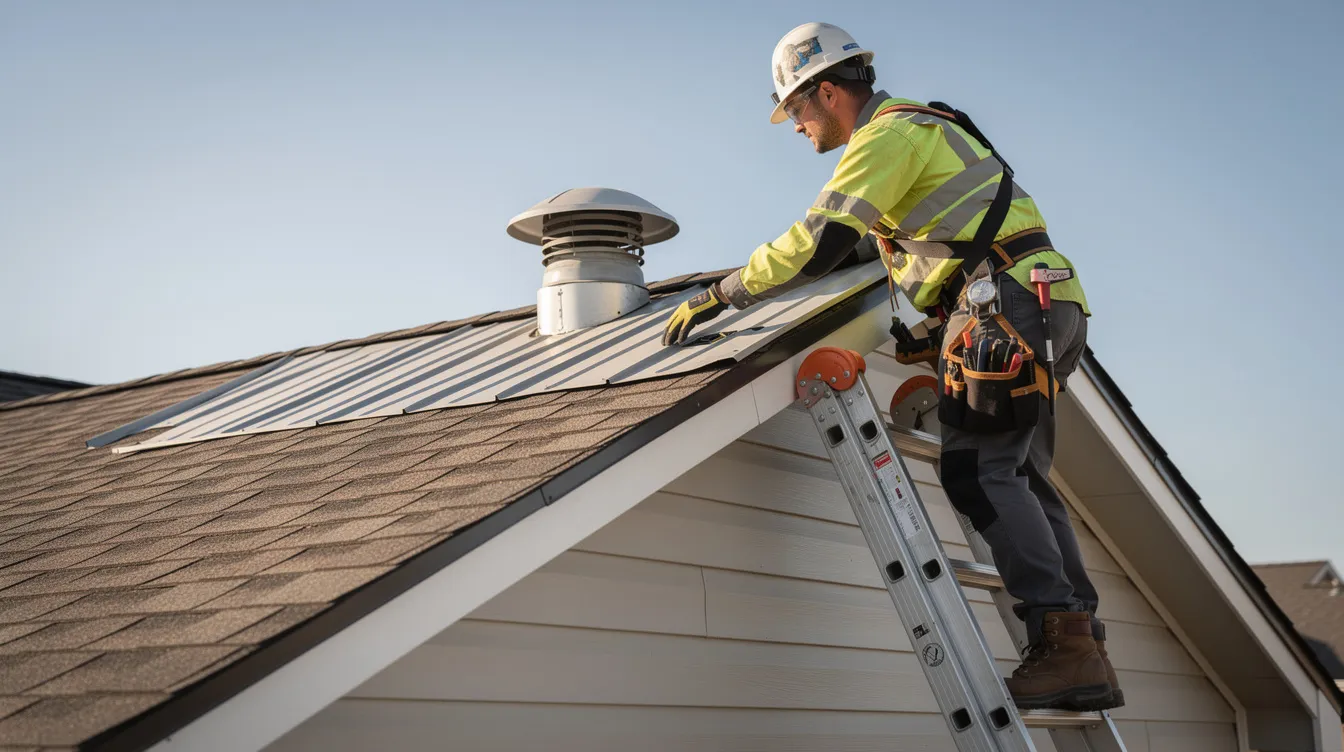
Squirrel removal requires a full property inspection before any exclusion work begins. Technicians inspect the full building envelope: attic interior, roof line, soffits, vents, chimneys, roof intersections, and foundation-grade penetrations on every side of the structure.
They identify the primary entry point-the main hole actively used-and map other entry points and secondary gaps that squirrels may test or widen later. Squirrels can enter through openings as small as 2 inches, so even minor gaps at roof edges or utility penetrations receive attention. A thorough inspection typically involves ladders, thermal cameras (to detect warm nest locations or cool air infiltration), interior attic walks to locate nests, droppings, and chewed wiring.
Homeowners should expect a written inspection report with photos of visible damage and a clear map of every current and potential vulnerable area. This documentation shapes the humane removal plan-including where technicians will install one way doors and which gaps will be sealed first. Professional inspections help avoid larger expenses later by catching secondary access points that DIY efforts routinely miss.
Humane Removal Using One Way Doors
Humane removal uses one-way doors for safe animal exit. These specialized exclusion devices are fitted over the main entry point, allowing squirrels to leave naturally but preventing re entry. Professionals use one-way doors for humane squirrel removal because the method avoids trapping animals inside and preserves family units.
The sequence matters: professionals first seal secondary holes with wildlife-proof materials, then install one way doors on the primary opening for 3–7 days. During baby season, technicians may retrieve dependent young by hand from nests and place them in a heated reunion box outside near the original entry for the mother to retrieve.
Humane exclusion ensures adult squirrels can access their young after exiting, and squirrels are released back into nature after humane removal-never relocated beyond the legally permitted distance. The technician returns to remove the one way door once activity stops and permanently seals that final step-the last remaining opening.
Sealing Entry Points and Structural Repairs
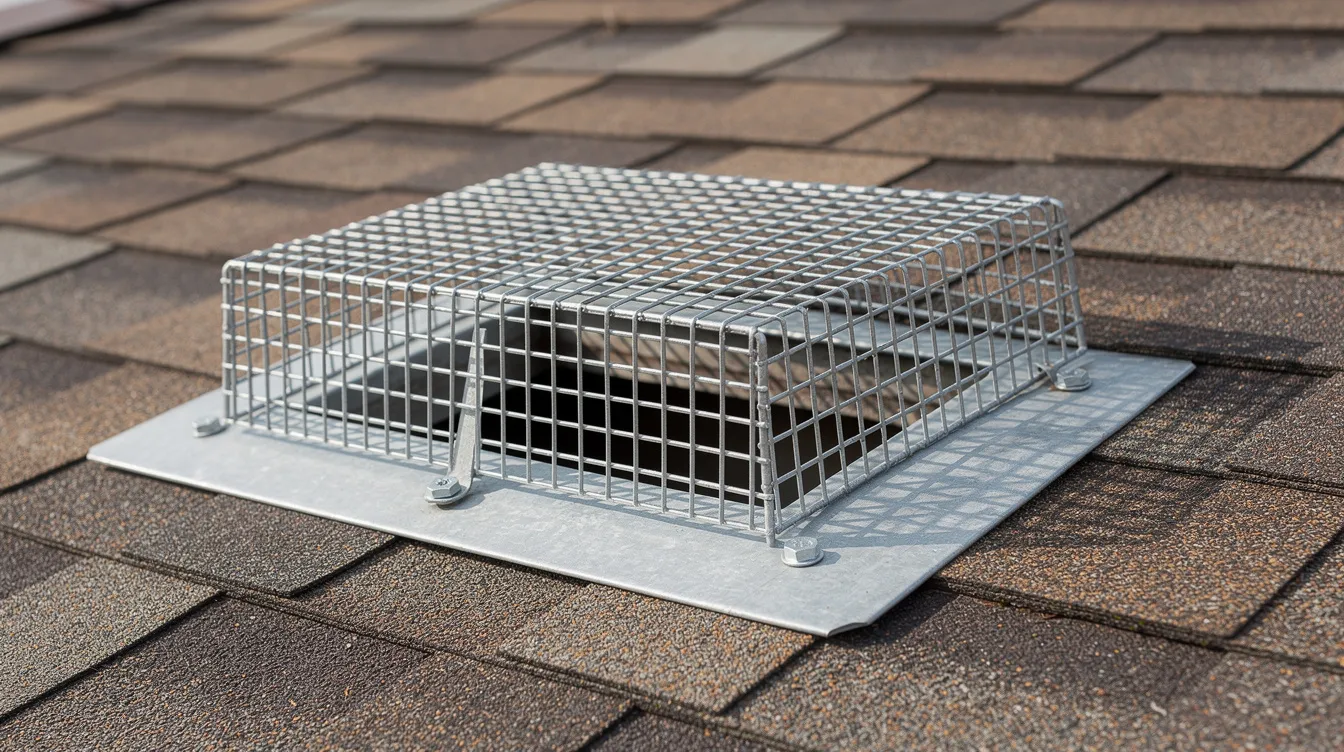
Long term prevention depends on meticulous sealing of all entry points and every vulnerable area using durable, chew-resistant materials. Using heavy-duty materials like galvanized steel mesh can effectively patch holes that squirrels have created or widened. Seal entry points with durable materials like steel mesh to ensure permanence.
Specific materials and techniques include:
| Material | Application |
|---|---|
| Galvanized steel mesh / hardware cloth | Covering gaps, vent openings, soffit holes |
| Metal flashing | Reinforcing roof edges, sealing roof-wall intersections |
| Drip edge | Install drip-edge along rooflines to deter squirrels from lifting shingles |
| Pest-proof vent covers | Replacing plastic or damaged vent screens |
| Metal chimney caps | Preventing access through uncapped flues |
Squirrel removal often includes repairing damaged access areas. Technicians reinforce soffits, fascia boards, roof edges, roof vents, and gaps where utilities penetrate exterior walls. Repair damaged access areas around vents and soffits to restore structural integrity. Any temporary patches used during diagnostics are replaced with permanent exclusion materials. Sealing entry points prevents future squirrel infestations and stops other wildlife-birds, raccoons, mice-from exploiting the same weaknesses.
Homeowners should request before-and-after photos and prioritize professional removal for higher, complex roof areas where fall risk is significant.
Sanitation, Attic Insulation, and Biohazard Cleanup
Squirrel removal is only part of the job. Droppings, urine, and damaged insulation must be addressed to eliminate health concerns and restore energy efficiency.
Professionals assess attic contamination levels by evaluating droppings density, urine staining, odour intensity, and visible mould or moisture problems. Heavily soiled or compressed attic insulation often requires partial or full removal, as it loses R-value and can harbour pathogens and parasites.
Standard biohazard sanitation steps:
- Personnel wear full PPE: gloves, N95/P100 respirator, coveralls
- HEPA vacuuming removes droppings and fine particulate matter
- Approved disinfectants are applied to contaminated surfaces and framing
- Nesting material, debris, and damaged vapour barriers are double-bagged and disposed of safely
- Odour-neutralizing treatments address residual urine contamination
After cleanup, homeowners can install new insulation to modern code standards-often R-50 or higher in Canadian climate zones-improving energy performance and indoor air quality. This restoration step closes out the remediation and ensures squirrels living in the space previously have left no lasting impact on your home’s performance.
Preventing Future Squirrel Problems
Prevention costs a fraction of repeat wildlife removal and should be planned immediately after the first incident. Squirrel proofing your home is a proactive investment, not an optional extra.
- Annual inspections: Routine inspections help maintain a squirrel-free home. Check soffits, fascia, roof edges, vents, and previous repair sites each spring and fall for fresh gnaw marks.
- Tree management: Trim branches 2–3 metres from the roof where possible. Manage vines or trellises that act as ladders to upper floors. You do not need to remove trees entirely-urban areas depend on canopy for ecosystem health.
- Attractant control: Relocate or eliminate unsecured bird feeders, overflowing compost bins, pet food bowls, and open garages or sheds that serve as food sources or shelter for urban wildlife.
- Proactive wildlife proofing packages: Consider having a wildlife control company reinforce vulnerable areas, install chimney caps, and screen roof vents before problems arise. This is highly recommended for homes adjacent to wooded areas or mature tree canopy.
DIY vs. Professional Removal: Choosing the Right Level of Help
| Factor | DIY | Professional |
|---|---|---|
| Cost | Lower upfront | Higher upfront, lower long-term risk |
| Effectiveness | Limited to simple cases | Comprehensive; addresses all access points |
| Safety | Roof-work risk, no PPE training | Insured, equipped, trained technicians |
| Guarantee | None | Typically 1–5 year re entry warranty |
| Legal compliance | Homeowner liability | Licensed, ministry-compliant methods |
DIY may be reasonable for early-stage noise with no babies suspected, easy ground-level access, and basic deterrent use. Professional intervention is essential for repeated property damage, confirmed nesting in attic insulation, chewed electrical wiring, steep or high roofs, or any commercial property situation. A great service provider delivers an excellent job by bundling inspection, humane exclusion, full sealing of entry points, a written guarantee, and scheduled follow up visits.
Weigh immediate costs against the potential long-term expenses from fires, leaks, and repeated wildlife entry if the squirrel problem is not fully resolved.
Costs, Guarantees, and Follow Up
Squirrel removal costs in Ontario range from $200 to $600 for straightforward exclusions. Complex infestations can cost over $1,500 to resolve, particularly when extensive damage to insulation, wiring, or roofing is involved. Costs increase with the number of entry points and repairs needed, the height and complexity of the roof structure, and the severity of attic contamination.
Written guarantees matter. Reputable removal services offer 1–5 year re entry warranties on sealed areas when all recommended exclusion work is completed. This protects your investment and ensures the company stands behind the squirrel proofing materials and workmanship.
Follow up typically includes a return visit to confirm silence and no fresh damage, removal of one way doors after the exclusion period, and any touch-up sealing. Request itemized quotes that separately list inspection, removal, repairs, sanitation, and follow up-avoiding vague flat-fee offers with unclear scope. Transparent pricing and a clear timeline make all the difference between a frustrating experience and lasting peace of mind.

FAQ: Common Questions About Humane Squirrel Removal
How long does humane squirrel removal from an attic usually take?
Straightforward cases without babies are typically resolved in 3–7 days, allowing time for squirrels to exit through one way doors and for a follow up inspection. During baby seasons (roughly March–May and August–October), timelines extend as technicians coordinate safe removal and reunification of young. Complex repairs or heavy attic contamination can add extra days for construction and sanitation even after the animals are gone. Ask your provider for an estimated schedule covering inspection, exclusion period, the final step of permanent sealing, and any attic remediation.
Can I keep squirrels out without removing nearby trees?
Complete tree removal is rarely necessary. Trimming branches back from the roof and eliminating easy climbing routes is usually sufficient. Wildlife proofing focuses on the structure itself-reinforcing soffits, vents, chimneys, and roof edges so squirrels cannot exploit minor gaps. Combining modest pruning with structural exclusion and better management of bird feeders and garbage reduces squirrel pressure without stripping the urban canopy that supports birds and other wildlife in your neighbourhood.
Are ultrasonic squirrel repellents and sprays worth trying?
Research and field experience show mixed results for ultrasonic devices and commercial squirrel repellents, especially once squirrels are nesting inside a structure. These products may offer limited, short-term deterrence outdoors but should not replace proper humane exclusion, sealing entry points, and attic repairs. Treat repellents as optional supplements-never as primary solutions-and invest first in proven physical barriers and professional inspections if squirrels have already breached the building envelope.
What should I do if I find a baby squirrel in my attic or yard?
Do not attempt to raise or relocate baby squirrels yourself; survival odds are low without proper care and legal permits. If a baby is found during exclusion, professionals can place it in a heated reunion box outside near the original entry point for the mother to retrieve. Contact a licensed wildlife control company or local wildlife rehabilitation centre immediately for guidance with obviously injured or orphaned young. Never seal the last entry point or remove one way doors until a professional confirms that babies are no longer inside the structure.
Is it safe to go into the attic myself after the squirrels are gone?
Brief visual checks may be safe if you wear a respirator, gloves, and eye protection, but prolonged cleanup without proper PPE is risky. Squirrel droppings, urine, and disturbed insulation can release airborne particles carrying pathogens. For heavy contamination, extensive droppings, or when electrical wiring damage is suspected, hiring professionals is strongly recommended. At minimum, avoid disturbing insulation or sweeping droppings dry-rely on HEPA vacuums and approved disinfectants to safely manage the biohazard.
Squirrel Removal, Bird Removal, Raccoon Removal,