Key Takeaways
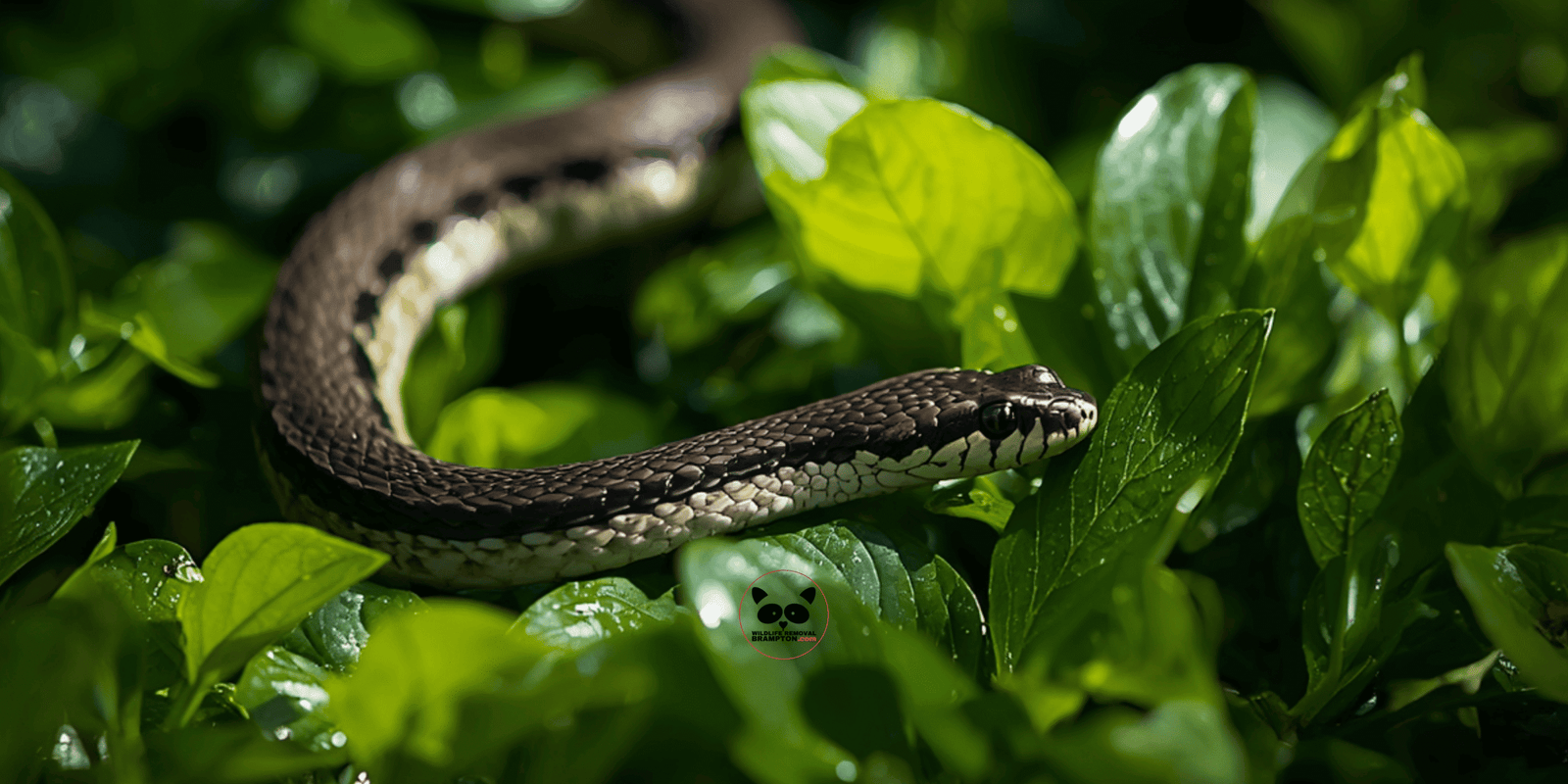
- Yes, snakes are found in Brampton, Ontario, and throughout the Greater Toronto Area – Brampton has 8 snake species, including the Eastern Garter Snake.
- None of the common snakes residents encounter in Brampton are venomous; snakes in Brampton are generally shy and avoid humans.
- The eastern massasauga rattlesnake is Ontario’s only venomous snake, listed as threatened, and is extremely rare in urban areas like Brampton.
- The most common snakes residents see are Eastern Garter Snakes, Northern Water Snakes, and Eastern Milk Snakes – all harmless.
- If you see a snake, remain calm, keep your distance, and observe from afar; do not attempt to handle or kill a snake you encounter.
Snakes in a Growing City Like Brampton
Brampton’s mix of ravines, stormwater ponds, wetlands, parks, and expanding subdivisions creates diverse habitats where several species of native wildlife thrive – including snakes. Viral videos of a snake emerging from a Brampton drain pipe have generated startling headlines, but the reality is far less dangerous than social media suggests. Most local snakes are small native species, not exotic giants. In 2018, 10 illegal exotic reptiles were seized from a Brampton home, including a reticulated python, green anaconda, and African puff adder – but these are rare City of Brampton enforcement cases, not typical backyard wildlife. This page covers which snake species live here, which are venomous, and what to do if you find one.
Are There Snakes in Brampton, Ontario? (Short Answer)
Yes. There are several species of non venomous snakes living across Brampton’s urban and suburban environment. The most common snakes in southern Ontario – Eastern Garter Snake, Northern Water Snake, and eastern milksnake – are regularly observed in backyards, along rivers, near lakes, and around stormwater infrastructure. The massasauga rattlesnake is the only venomous snake in Ontario and is rarely seen in Brampton. Residents can use local snake sightings maps for sighting verification if unsure which species they saw.
Common Snake Species You’ll See in Brampton
Brampton hosts several native species that play a vital role in controlling rodents and insects. The Eastern Garter Snake is the most common snake in Ontario. Snakes play an important role in local ecosystems by controlling pests.
| Species | Size | Key Features | Venomous? |
|---|---|---|---|
| Eastern Garter Snake | 30–70 cm | Yellow/cream stripes on dark brown body | No |
| Northern Water Snake | Up to 110 cm | Banded, dark body; often mistaken for venomous species | No |
| Eastern Milk Snake | 60–90 cm | Reddish-brown blotches on grey/tan; frequently mistaken for rattlesnakes | No |
| Northern Red-bellied Snake | 20–25 cm | Small, non-venomous snake found in Brampton with reddish belly | No |
| Smooth Green Snake | 30–50 cm | Bright green colours blending into grass; insect-eating | No |
| Eastern Hog-nosed Snake | 50–85 cm | Upturned snout; dramatic bluff displays (hissing, playing dead) | No |
| Ring-necked Snake | 25–40 cm | Pale ring around neck; prefers moist, wooded areas near trees | No |
| Dekay’s Brownsnake | 20–35 cm | Often found in urban environments in Brampton; dark brown skin | No |
Northern Water Snakes are often mistaken for venomous species due to their aggressive defensive posture and banded body pattern. Eastern Milksnakes are non-venomous and control rodent populations. Smooth Green Snakes are non-venomous and have bright green coloration. The Red-bellied Snake is a small, non-venomous snake found in Brampton, typically hiding under logs and garden debris.
Venomous Snakes and the Massasauga Rattlesnake in Ontario
Ontario has only one venomous snake – the massasauga rattlesnake, a stout-bodied pit viper (50–70 cm) with a triangular head, vertical pupils, dark blotches, and a small rattle on its tail. The Massasauga was listed as threatened in 2008; the Carolinian population of Massasauga is endangered. Its current range centres on Georgian Bay, the Bruce Peninsula, and pockets near Wainfleet Bog – not Brampton neighbourhoods. Massasaugas face threats from habitat loss and road mortality. Only two people have died from Massasauga bites in 40 years, and massasauga rattlesnake bites are extremely rare in Ontario. Killing or harassing this threatened species is illegal. Most “rattlesnake” reports in the GTA turn out to be Eastern Milk Snakes or Northern Water Snakes after expert review.
Spotlight on the Eastern Milk Snake (Frequently Misidentified)
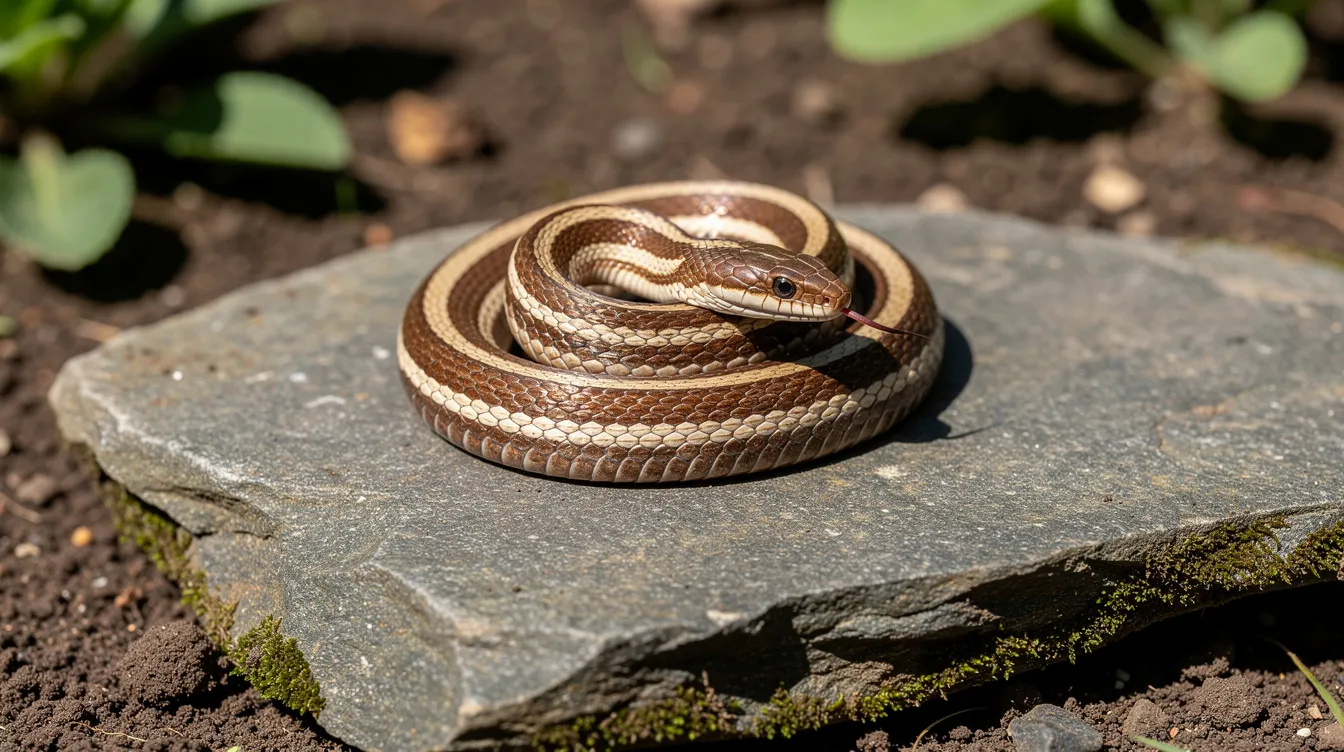
The eastern milk snake is one of the most misunderstood snake species in Brampton – its reddish-brown blotches and habit of vibrating its tail in dry leaves mimic the rattle sound, leading homeowners to assume danger. Key differences from rattlesnakes: round pupils (not vertical), no keratin rattle, a light “V” mark on the head, and a more slender body. They are harmless to humans and eat mice in sheds, barns, and under decks. If you think you have spotted a rattlesnake in Brampton, photograph it from a safe distance and seek professional identification before panicking.
Why Snakes Show Up Around Brampton Homes
Snakes are drawn to food, shelter, and warm microclimates. Structural vulnerabilities – gaps under steps, loose siding, unsealed garage doors – offer shelter. Landscaping choices like rock gardens, stacked firewood, and dense groundcovers create ideal hiding spots. Sightings increase in spring during mating and in fall when snakes bask on warm pavement to regulate body temperature. Stormwater ponds, culverts, and street drains serve as corridors for species like Northern Water Snakes, explaining viral drain-pipe videos. Most yard sightings are incidental – snakes passing through to catch prey like mice, frogs, and insects rather than permanently moving in.
What To Do If You See a Snake in Brampton
Residents should exercise caution and maintain distance if they encounter snakes. If you see a snake, keep your distance and observe from afar. Back away slowly, keep children and pets away, and do not try to catch, corner, or kill the snake. A gentle spray from a garden hose nearby can encourage it to leave. Take a clear photo from a safe distance for identification. Wear long pants and boots in areas with snakes.
Call a professional when:
- A snake is inside a finished basement or furnace room
- One is trapped in window wells
- Repeated sightings occur in high-traffic play areas
Professional, humane intervention uses equipment like snake hooks, secure containment, and biohazard sanitation – never improvised tools or lethal methods as a last resort.
Snake-Proofing and Preventing Unwanted Encounters
Prevention is more effective than reactive removal:
- Seal entry points: close foundation gaps, repair broken vent covers, screen crawlspace access
- Yard maintenance: remove debris piles, keep grass trimmed, elevate firewood
- Rodent control: address birdseed spills and unsecured garbage – mice attract snakes
- Buffer zones: maintain clear, open ground around foundations
- Skip chemical repellents: habitat modification plus physical exclusion is the science-based approach
Licensed wildlife inspections can identify hidden entry points tailored to Brampton’s climate and building styles.
Local Snake Sightings Maps, Identification and Security Verification
Local interactive snake sightings maps collect community reports and track which snake species are most common across Brampton. Residents submit a sighting with date, location, photo, and behavioural observations. Much like a website security service that verifies legitimate traffic and filters out malicious bots, the professional review process acts as a kind of security verification – each submission is checked to ensure accurate identification before data is displayed. When verification successful entries accumulate, they improve understanding of where and when Ontario’s snakes are active and support conservation planning. A bot or automated system alone cannot replace expert review; each record verifies species identity (e.g., confirming an Eastern Milk Snake versus a presumed rattlesnake) before a respond ray id of confirmation is issued. Use these tools instead of social media rumours when evaluating whether a sighting involved a venomous snake or something harmless.
Snakes, Public Safety and Exotic Pets in Brampton
Native snakes in Ontario are small, shy, and harmless. Exotic reptiles kept illegally are a different risk entirely. The 2018 Brampton seizure involved large constrictors and a highly venomous African puff adder whose owner lacked antivenom – a genuine danger to anyone involved. Such seizures are rare and not representative of wild snakes in Brampton’s drains or backyards. If you ever see what appears to be a very large constrictor or obviously non-native snake, treat it as potentially dangerous: keep away, secure pets and children, and contact animal control or police. Ontario municipalities have varying bylaws regarding exotic snake ownership – check local regulations before waiting to act on any unusual sighting.
Why Snakes Matter in Brampton’s Ecosystems
Common snakes in Brampton feed on rodents, frogs, slugs, and insects, reducing disease risk linked to mice and rats. Snakes are fascinating ectotherms – they regulate body temperature through their environment, use a forked tongue and Jacobson’s organ to smell chemicals in the air, and periodically snakes shed their skin as they grow. Many native snake species in southern Ontario and southern Canada are already listed as threatened or at risk due to habitat loss and road mortality along shores, rivers, and wild areas. Respectful coexistence – combined with sound property maintenance – allows residents to protect biodiversity while staying safe.

When to Call Professional, Humane Wildlife Control
While a single outdoor sighting can usually be left alone, certain situations call for expert help: a snake repeatedly entering a home, discovered in a schoolyard, or trapped in structural cavities. Professionals identify the species, safely capture using proper tools, relocate in compliance with Ontario regulations, and inspect for entry points. Services should prioritise humane handling and, where necessary, biohazard sanitation of droppings or shed skins in confined spaces. Avoid unlicensed operators who promise to kill or “eradicate” snakes – choose providers that respect provincial protections for threatened species like the eastern massasauga rattlesnake.
FAQ
Are there dangerous snakes in Brampton backyards?
The vast majority are non-venomous species like Eastern Garter Snakes and Eastern Milk Snakes. Only one venomous snake exists in Brampton – the Massasauga Rattlesnake – and the Massasauga rattlesnake is rarely seen in Brampton. If unsure, keep a safe distance, photograph it, and seek professional identification rather than approaching. There is no real danger from any of the common snakes in Brampton.
Can snakes get into my Brampton home through drains or toilets?
While videos sometimes show snakes emerging from outdoor drain pipes, it is extremely rare for snakes to enter homes through indoor plumbing. Most indoor entries occur through gaps under doors, foundation cracks, or utility penetrations. Seal obvious openings and request a professional inspection if you experience repeated indoor sightings. Snakes that hide in drains are typically Northern Water Snakes using stormwater corridors.
What should I do if my child or pet is bitten by a snake in Brampton?
Any bite from a wild snake should be cleaned and evaluated by a medical professional or veterinarian due to risk of infection. Keep the bitten limb still; do not cut the wound, apply ice, or attempt to suck out venom. Confirmed venomous snake bites in the GTA are exceedingly rare, but prompt medical assessment is always the safest choice – especially for children and pets. There is no harm in seeking medical advice even when venom is unlikely.
Do Brampton snakes stay active in winter?
Snakes in Ontario are inactive in winter – they overwinter below the frost line in rock crevices, burrows, and deep structural voids. Homeowners are far more likely to observe snakes in spring and fall when they bask on warm surfaces. Winter construction near wetlands and ravines can occasionally disturb hibernation sites, which is why ecologically sensitive planning matters. Snakes lay eggs or give birth in warmer months, not during dormancy.
How can I tell if the snake I saw is native or an escaped exotic pet?
Most snakes seen in Brampton are native species with body lengths well under one metre. Exotic snakes – boas, pythons, anacondas – tend to be thick-bodied and can exceed several metres. Photograph the snake safely and compare it to trusted guides to snakes in ontario, or submit the image to a local wildlife expert. If the snake appears unusually large, brightly patterned, or clearly non-native, avoid it, secure people and pets, and contact animal control immediately – such animals may be illegal and potentially dangerous.

Squirrel Removal, Bird Removal, Raccoon Removal,